Wooden vs wax vs kitchen matches: which suits your market?
Same strike, different stem and box. How to choose the right core line for your consumers.
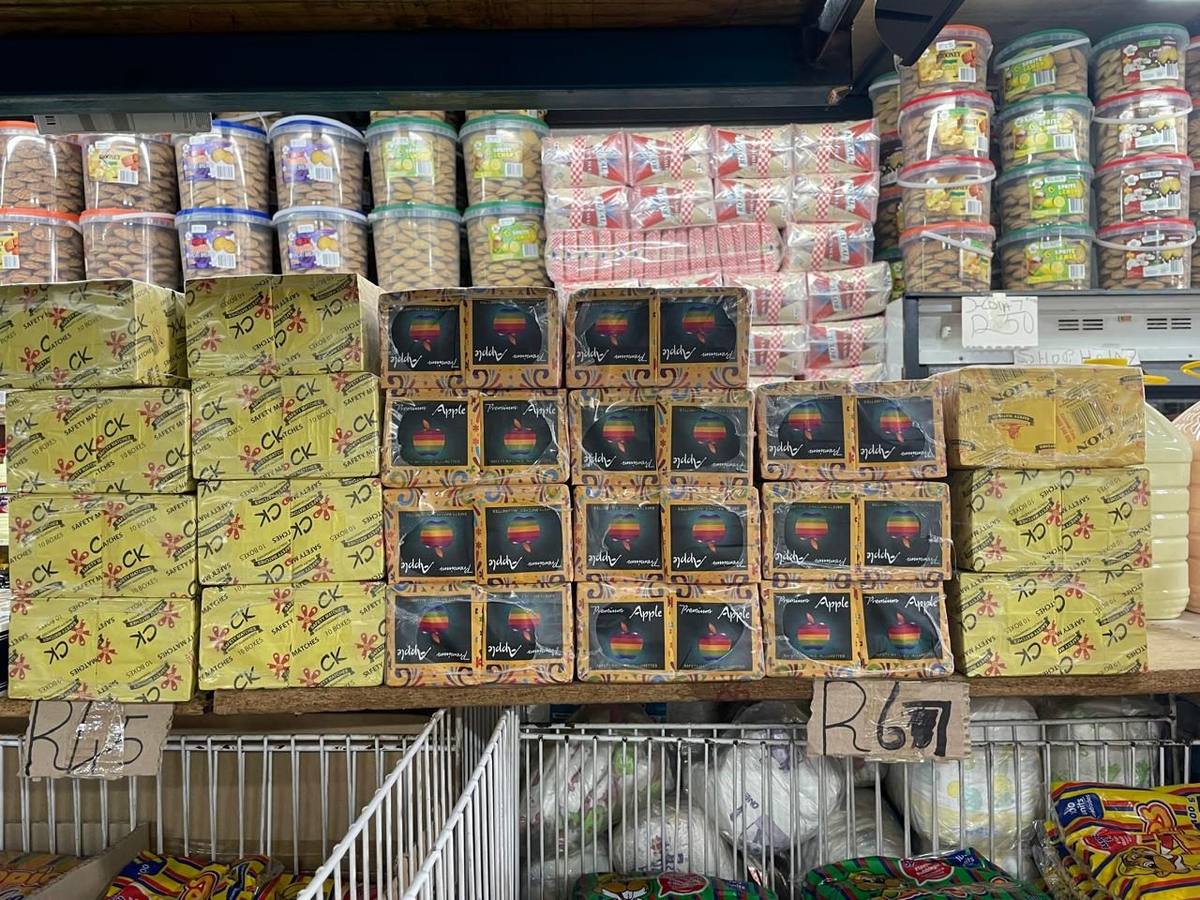
Every match does the same job, but consumers in different markets expect different things from the box in their hand. Wooden, wax and kitchen matches differ in the splint, the burn and the way they are used. Choosing the right mix is one of the quickest ways to win shelf space.
Wooden matches are the everyday standard for households. Wax matches use a wax-impregnated paper or cotton stem and hold their flame in wind and humidity. Kitchen matches come in bigger boxes with higher stick counts for stoves and daily cooking. Most importers start with one core line and add the others as the brand grows.
How a safety match works
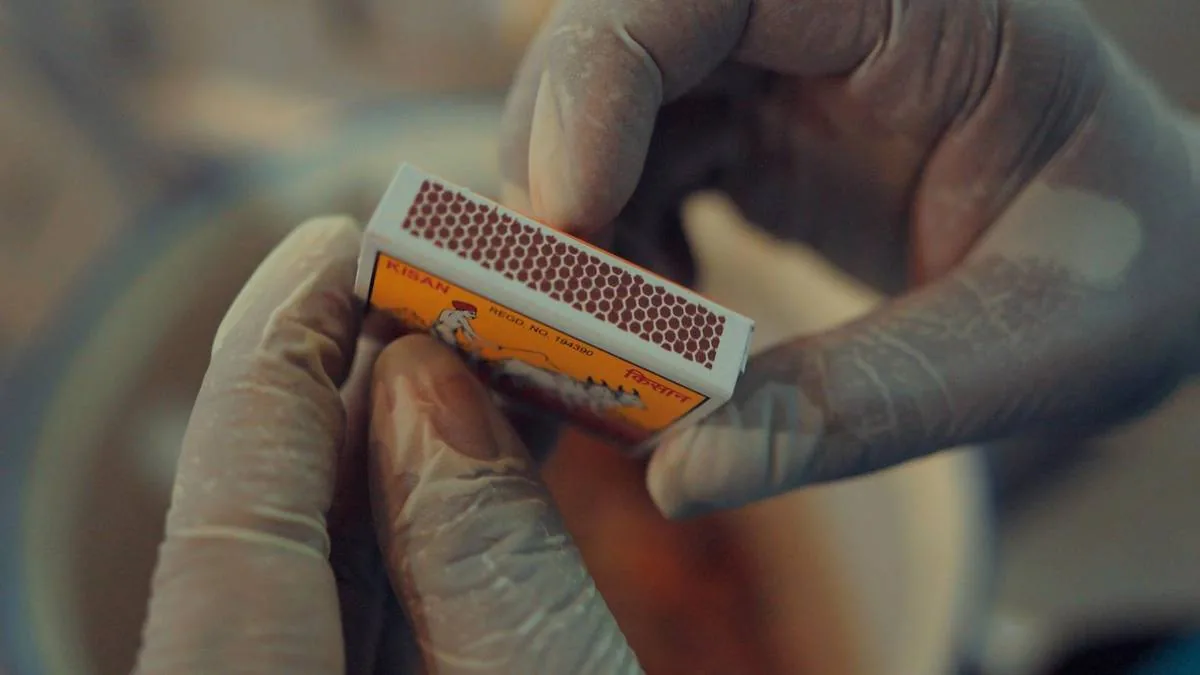
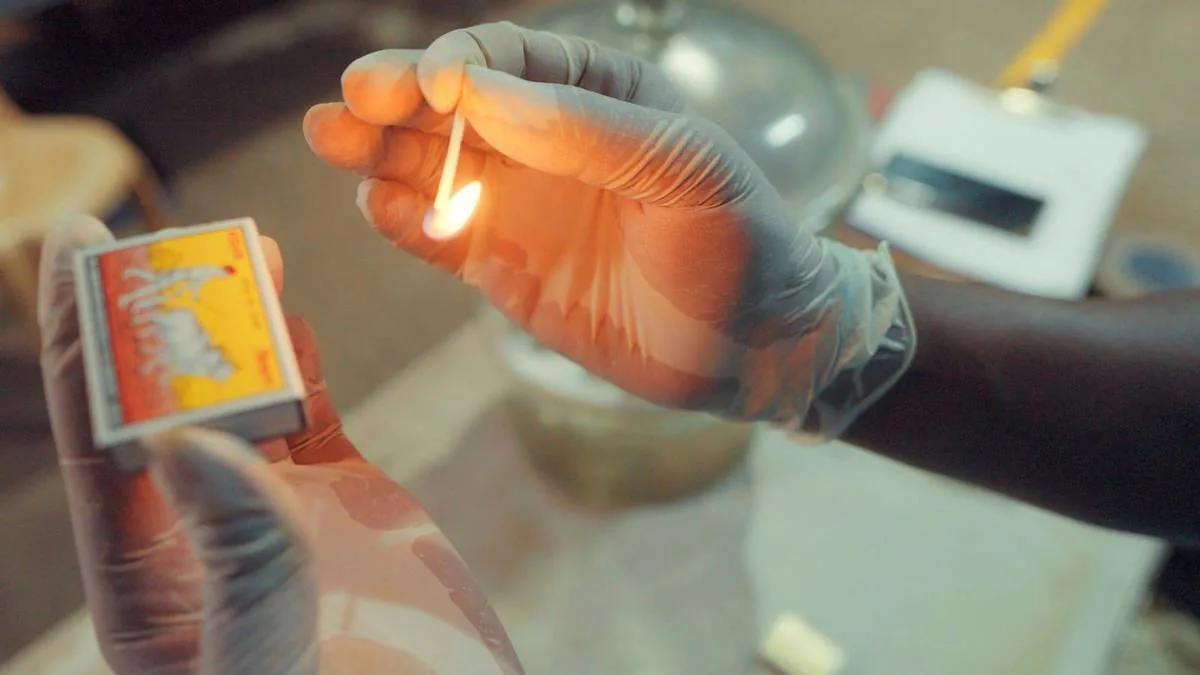
A safety match only lights on its own box. The head carries an oxidiser (usually potassium chlorate) with sulphur and binders. The striker on the box carries red phosphorus and powdered glass. Striking creates enough friction heat to ignite a trace of phosphorus, which lights the head.1 All three types below work this way. What changes is the stem and the box.
Wooden matches
The classic match: a wooden splint, usually from soft, straight-grained wood, with a coloured head. Wooden matches are the volume line in most markets because they are familiar, light reliably and suit every use from candles to gas stoves.
Choose wooden if you are building a mass-market household brand, selling through traditional retail, or entering a market where consumers already know the format.
Wax matches
Wax matches use a stem of paper or cotton threads impregnated with wax. The wax keeps the flame alive for longer and makes the match less sensitive to moisture and wind. The stems are thinner and flexible, so more fit in a smaller box.
Choose wax if your market is humid or coastal, if consumers use matches outdoors, or if you want a compact, premium-feeling pocket box.
Kitchen matches
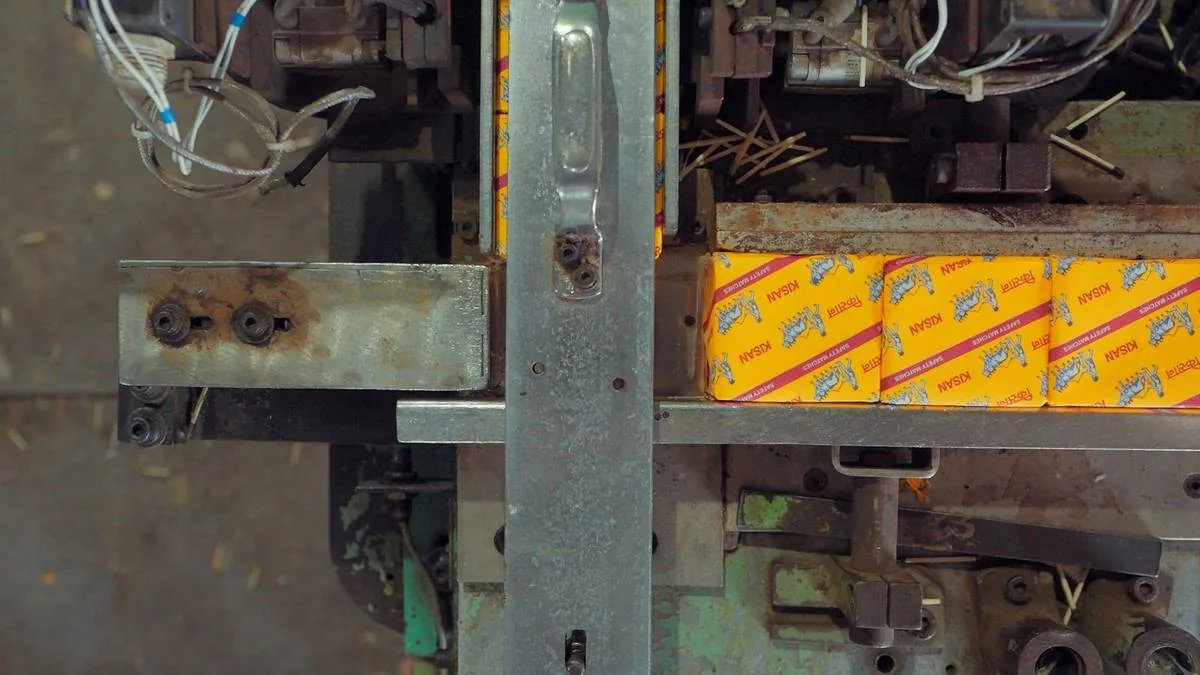
Kitchen matches are wooden matches in larger boxes with higher stick counts, sometimes with slightly longer splints. They are built for households that light a stove or lamp several times a day, and they sell on value per stick.
Choose kitchen if your buyers cook with gas or kerosene, buy in larger quantities, or compare prices per stick rather than per box.
Side by side
| Wooden | Wax | Kitchen | |
|---|---|---|---|
| Stem | Wood splint | Waxed paper or cotton | Wood splint, often longer |
| Strength | Familiar, reliable | Wind and damp | Value per stick |
| Typical box | Pocket box | Compact box | Large box |
| Best for | Mass market | Humid or outdoor use | Daily cooking |
Beyond the core three
Once a brand is established, importers often add long stick and candle matches for candles and fireplaces, barbeque matches for grills, and promotional matches printed for hotels, bars and events. Each is a separate shelf, and a separate reason for a retailer to stock your brand.
Not sure which line fits your market?
Tell us where you sell and how your consumers use matches. We will suggest a starting range and send samples of each.
- Reagecon, How do safety matches work?