How to start your own safety match brand
Five steps to a private-label match brand that wins shelf space and stays yours.
Many of the match brands on supermarket shelves around the world are not made by the company whose name is on the box. They are private labels: brands owned by an importer or retailer and produced by a specialist manufacturer. For an importer, owning the brand means owning the customer, the margin and the shelf.
Start with your consumer and price point, not the box design. Pick one core match type and box size, design artwork that reads in a second on a crowded shelf, register your mark in your market, and approve a production sample before the first run. Then grow the range under the same brand.
Why importers build their own brand
- The brand stays yours. If you change supplier, your consumers do not notice. With a supplier's brand, the goodwill belongs to them.
- Better margins. You set the price against other brands on the shelf, not against the same product sold by a competitor down the street.
- A range, not a product. One trusted name can carry wooden, wax and kitchen matches, and later other household essentials.
Step 1: Know your consumer and price point
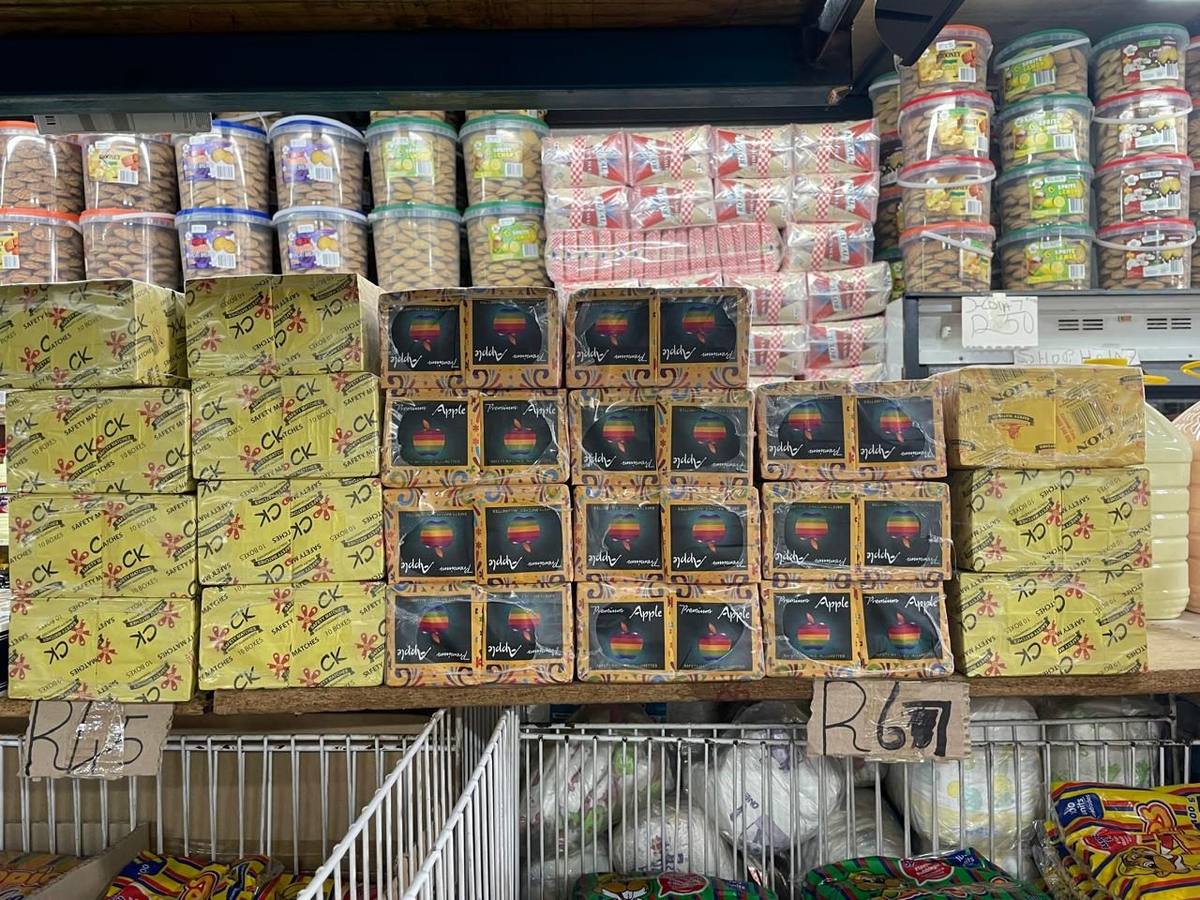
Walk the shelves in your market. Note the leading brands, their box sizes, stick counts and retail prices. Your brand needs a clear reason to be picked: better value per stick, a more reliable strike, a stronger look, or a format nobody else offers. That decision tells you the box size and stick count to brief, which in turn sets your landed cost.
Step 2: Choose your first product
Launch with one core line that matches how people in your market use matches, usually a wooden household box or a kitchen box. Keep the range tight until the brand has repeat buyers. A narrow range also keeps your minimum order and stock investment manageable.
Step 3: Design artwork that works on a shelf
- One clear brand name, readable from two metres away.
- A distinctive colour that stands apart from the category leader.
- The essentials: stick count, match type, a safety warning, your company as importer and a barcode if your retailers need one.
- Local language and any wording your regulations require. In Europe, for example, matches sold to the public follow EN 1783, which covers safety and labelling.1
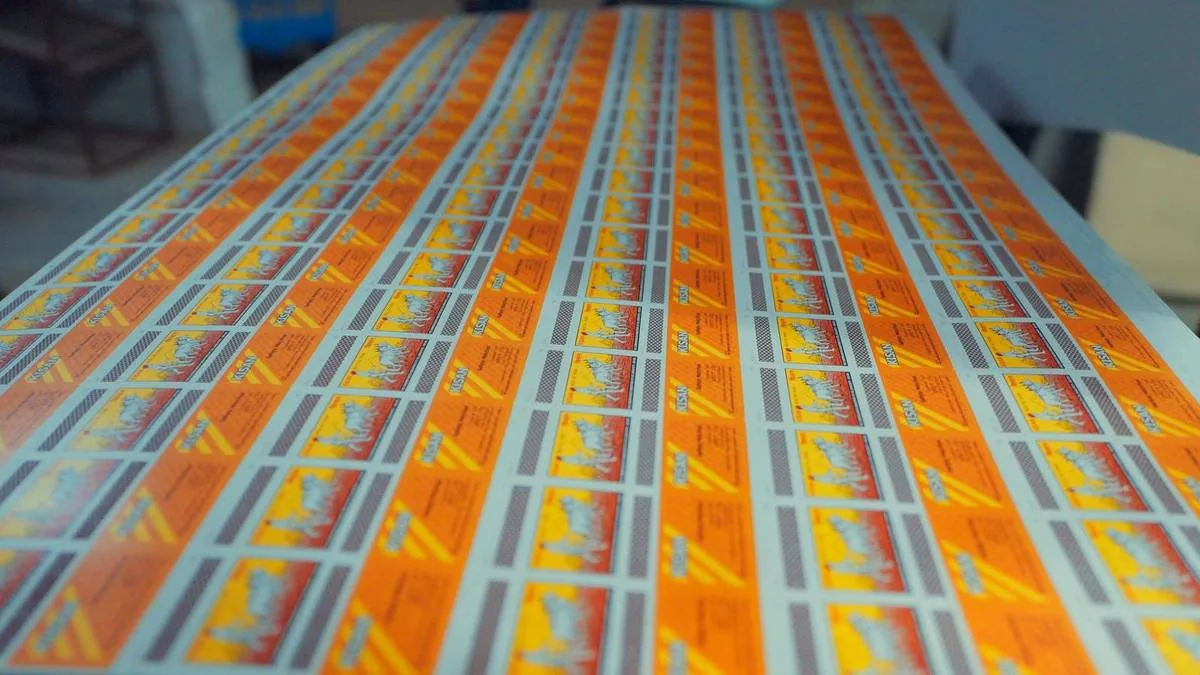
Your manufacturer will supply the box dieline (the flat template). Design to it exactly, with bleed, so the print lines up on every box.
Step 4: Protect the name
Register the trademark in your own market before the first container lands. It costs little compared with rebuilding a brand that someone else registered first. Agree in writing with your manufacturer that the brand and artwork are yours, and that they will not sell the same design to anyone else.
Step 5: Approve a production sample, then scale
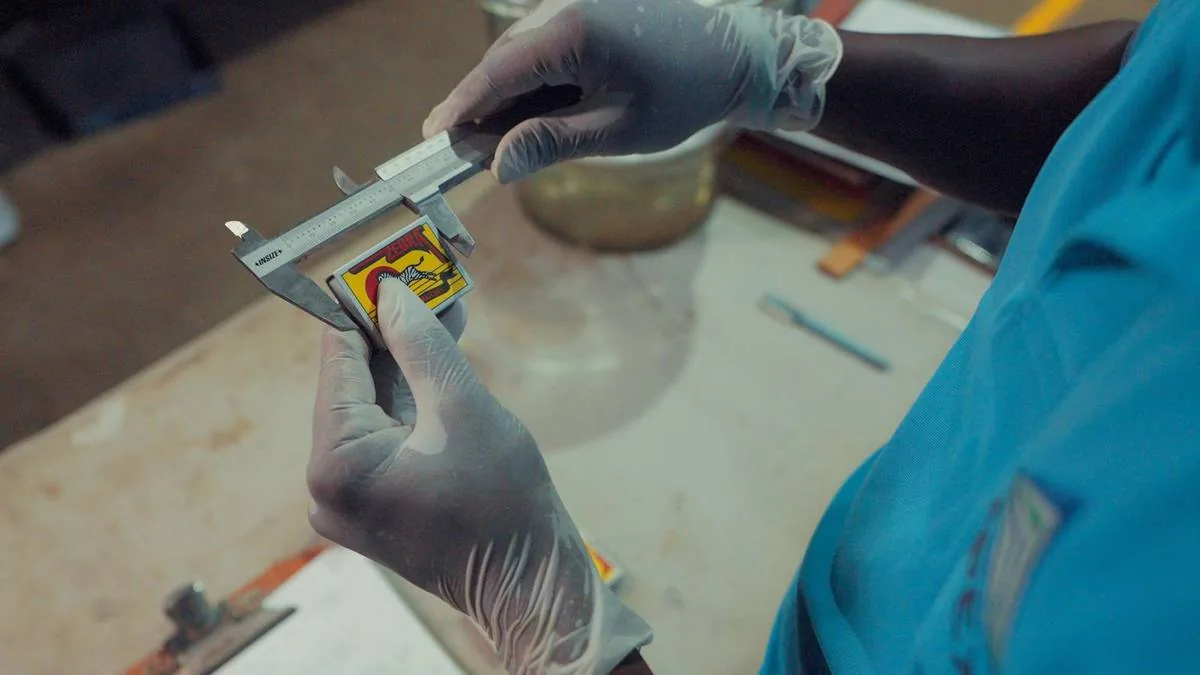
Approve a sample from the production line in your final packaging, not a mock-up. Check the print, colours, strike and packing. Keep signed samples as the reference for every future order. Once the first line sells through, add a second format under the same name: a kitchen box beside the household box, or a wax line for humid areas.
Building a match brand?
Apex produces private-label matches for importers in 40+ countries. Share your market and price point and we will propose a first range.