The quality parameters that make a safety match right
What to test, what the standards say, and what your consumers notice first.
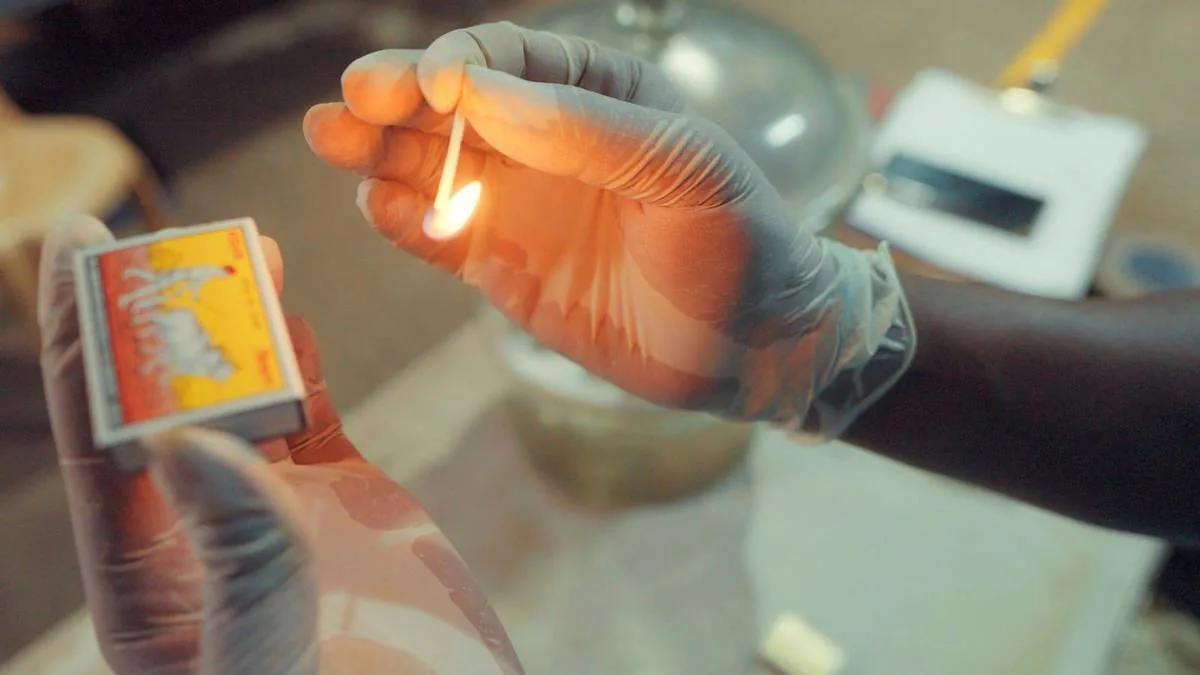
Your consumer judges a box of matches in the first three strikes. If the match lights on the first stroke, holds its head, burns steadily and goes out cleanly, they buy the same brand again. Each of those moments maps to a quality parameter you can specify and test.
Specify ten parameters in your purchase order: strikeability, safe ignition, head strength, flame and burn, afterglow, splint quality, striker life, damp resistance, stick count and packaging. Test them against the approved sample, and agree with your supplier which failures are critical, major or minor.
The ten parameters
| Parameter | What good looks like | How it is checked |
|---|---|---|
| Strikeability | Lights on the first or second stroke on the box | Strike a sample of sticks from several boxes |
| Safe ignition | Lights only on the striker, not from heat or a knock | Heat and impact tests in the product standard |
| Head strength | Head does not crumble, break or fly off when struck | Visual check during the strike test |
| Flame and burn | Steady flame that passes onto the wood and burns evenly | Burn test, timed if your buyer specifies it |
| Afterglow | Splint stops glowing once the flame is out | Blow out and observe |
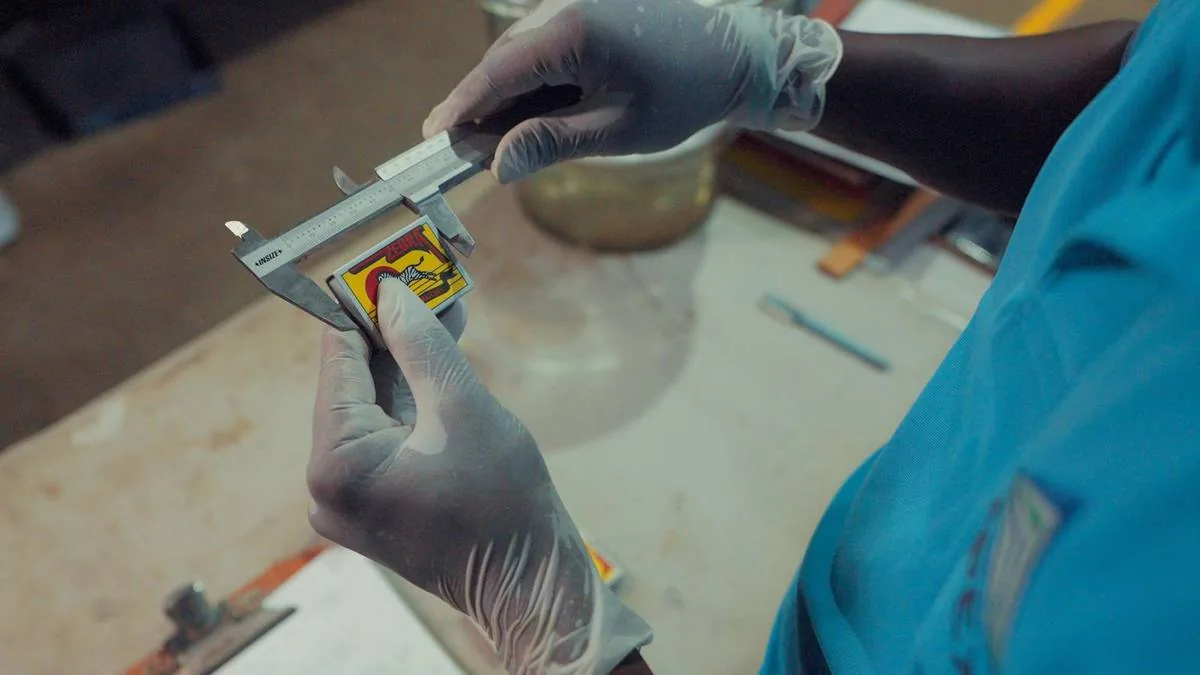
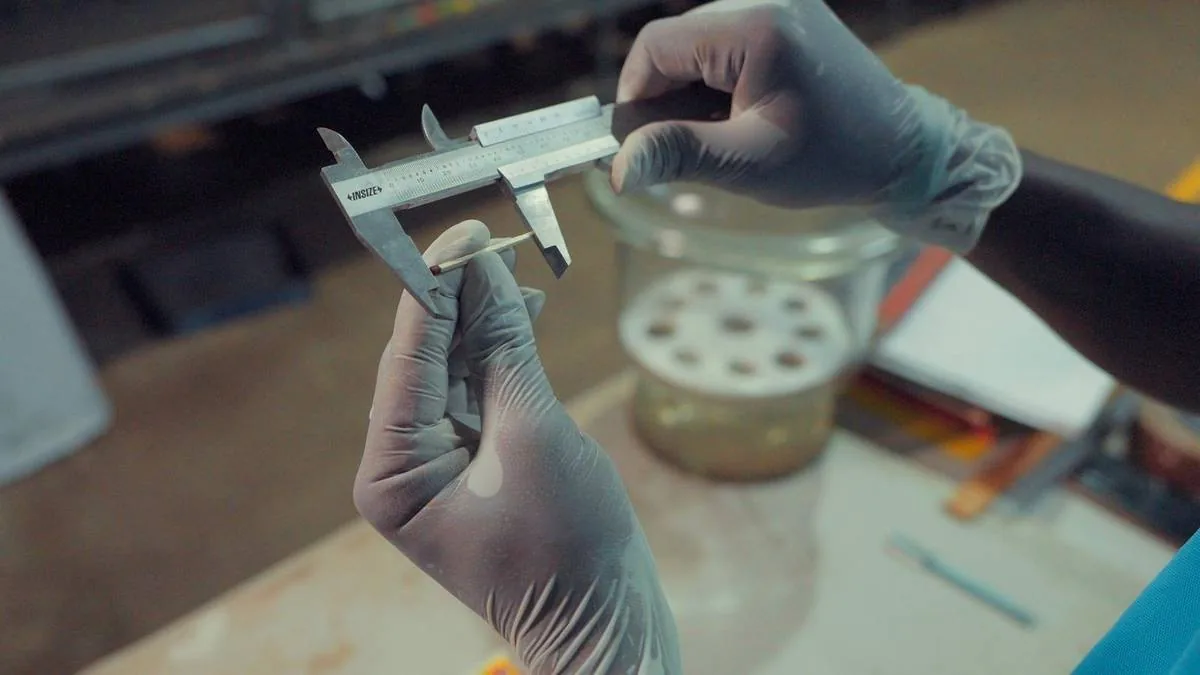
| Splint quality | Straight, uniform, smooth, does not snap | Visual and dimension check |
| Striker life | Striking surface lasts for every match in the box | Strike a full box on one side |
| Damp resistance | Still strikes after exposure to humid air | Damp proofness test, moisture check |
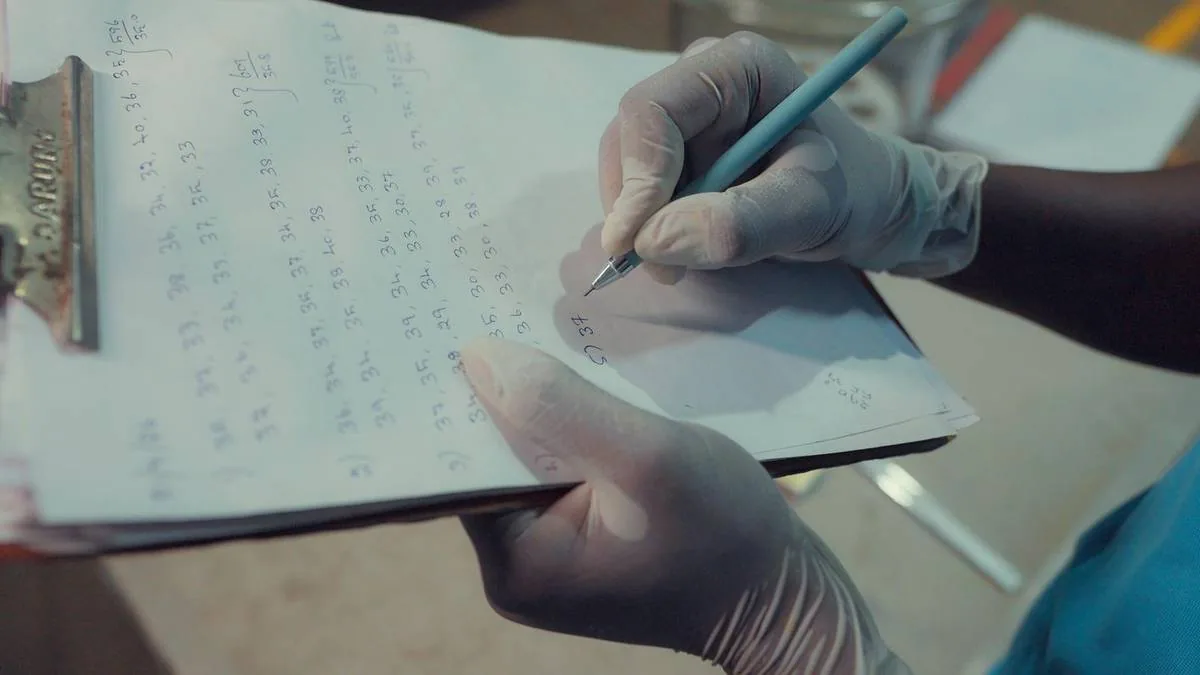
| Stick count | Every box holds at least the declared count | Count a sample of boxes |
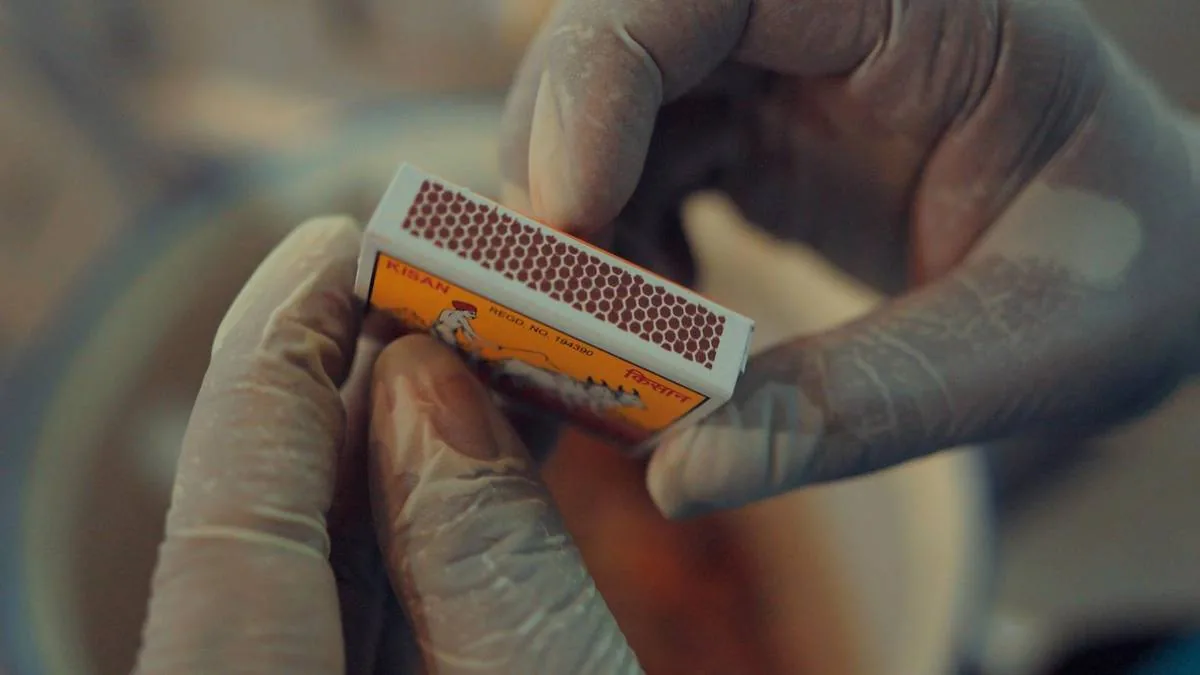
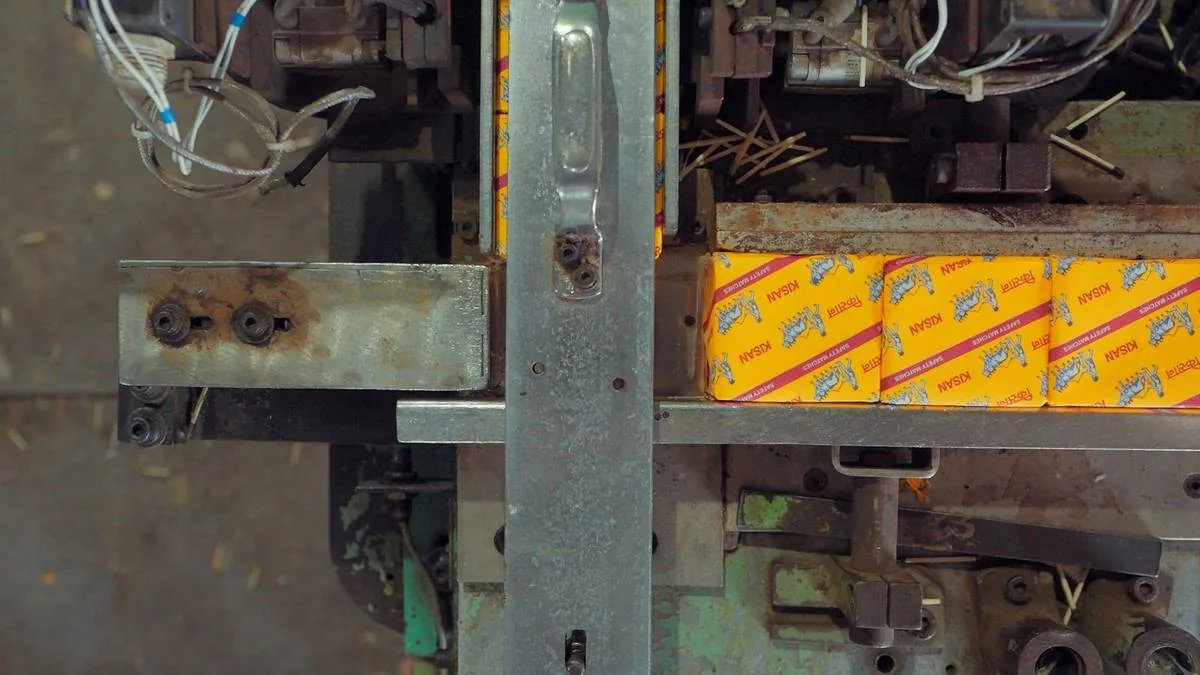
| Packaging | Boxes slide cleanly, print and cartons match approval | Compare with approved packaging |
Strikeability and safe ignition
These two pull in opposite directions, which is why they are the heart of a good match. The head must light easily on the striker, yet must not light from heat, friction on other surfaces or a knock in transit. The Indian standard IS 2653 tests striking performance, ignition when heated below 170 °C, ignition under impact and the performance of the striking surface.1 In Europe, EN 1783 sets performance and safety requirements and a sampling procedure for matches sold to the public.2
Head strength and burn
A head that crumbles or breaks off is the complaint consumers remember. It usually points to a composition or drying problem. After ignition, the flame should transfer smoothly onto the splint. The wax treatment on the splint helps the flame carry, and good wood keeps the burn even.
Afterglow
Afterglow is the ember that keeps glowing in the wood after the flame is blown out. It is a safety issue: a glowing stick in a bin can start a fire. Splints are treated during manufacture to prevent it. Check it on every lot.
Damp resistance and striker life
Matches sold in humid coastal or tropical markets face moisture from the day they are packed until the last stick is used. IS 2653 includes a damp proofness requirement for match boxes.1 Ask for heads and strikers built for your climate, and test a few boxes after leaving them open in humid air for a day. Also strike a full box on one side: if the striker wears out before the matches do, the consumer blames your brand.
Stick count and packaging
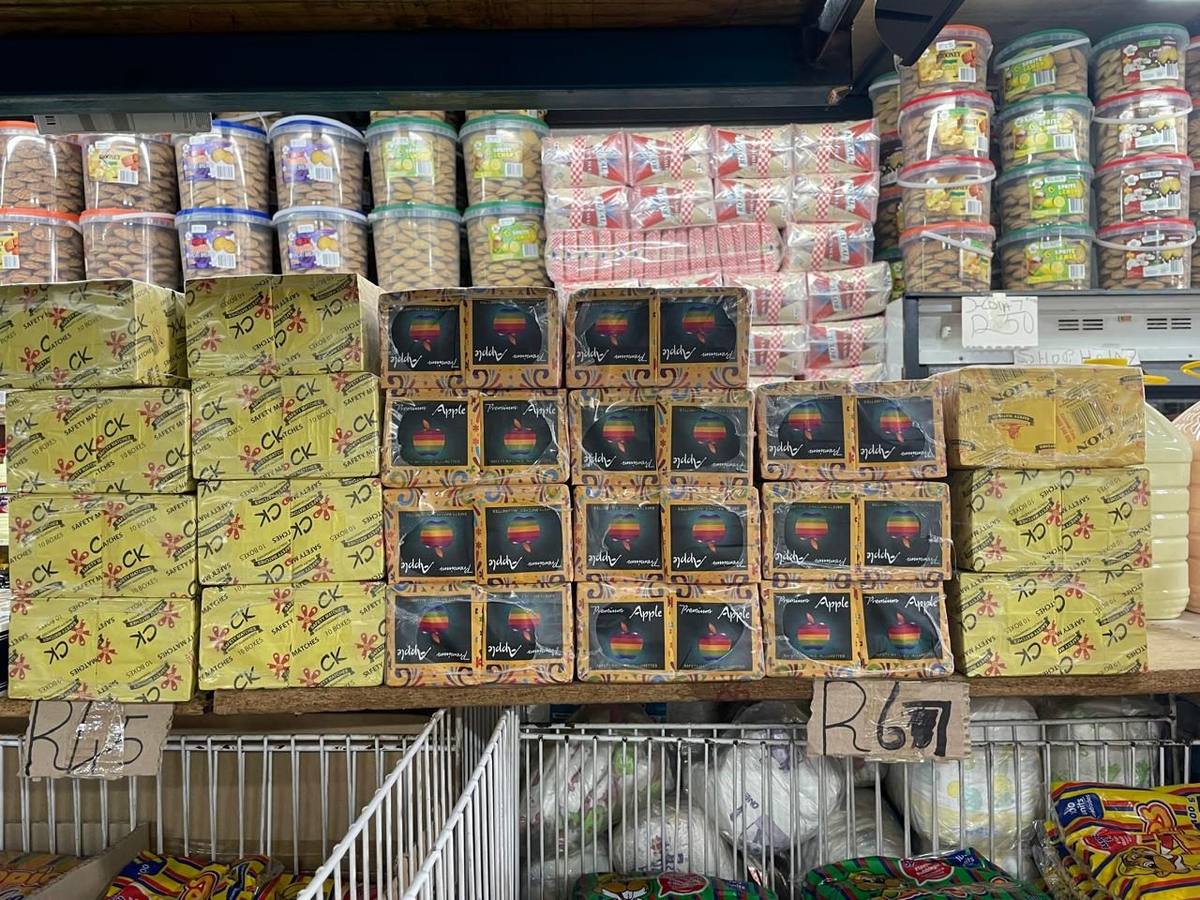
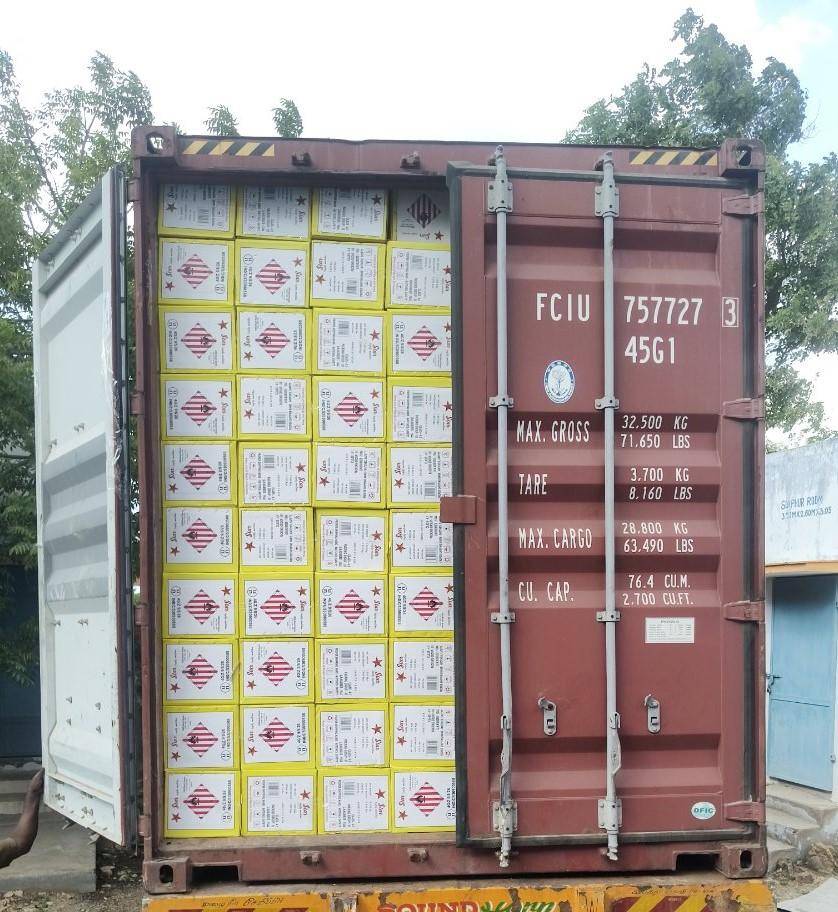
Short counts damage trust quickly, especially in price sensitive markets where buyers count. Packaging is your shelf: box slide, print sharpness, outer cartons and dangerous goods marks all need to match what you approved.
Classifying defects
Agree in advance how failures are graded, so an inspection result is not a negotiation. A common approach in pre-shipment inspection is three classes, each with its own acceptable quality level (AQL).3
- Critical: anything unsafe, such as ignition by impact or heads that fly off burning. Zero accepted.
- Major: anything the consumer would reject, such as failure to strike, broken heads, afterglow or short count.
- Minor: cosmetic issues that do not affect use, such as small print marks.
Put it in the purchase order
List the ten parameters, the standard you want tested against, the defect classes and the approved sample reference in your purchase order. A supplier who reads that list and asks good questions is one you can work with. If you are still choosing, start with how to choose the right safety match supplier.
Get our test results for your order
Apex checks every lot for strikeability, moisture, burn and packing before loading. Ask for a sample report.
- Bureau of Indian Standards, IS 2653:2004 Safety Matches, summary.
- CEN, EN 1783:1997 Matches: performance requirements, safety and classification.
- QC Advisor, Product inspections FAQ (defect classes and AQL in pre-shipment inspection).