Why safety match orders get delayed, and how to plan around it
Most late shipments are not caused by the factory floor. Here is where lead time is really lost.
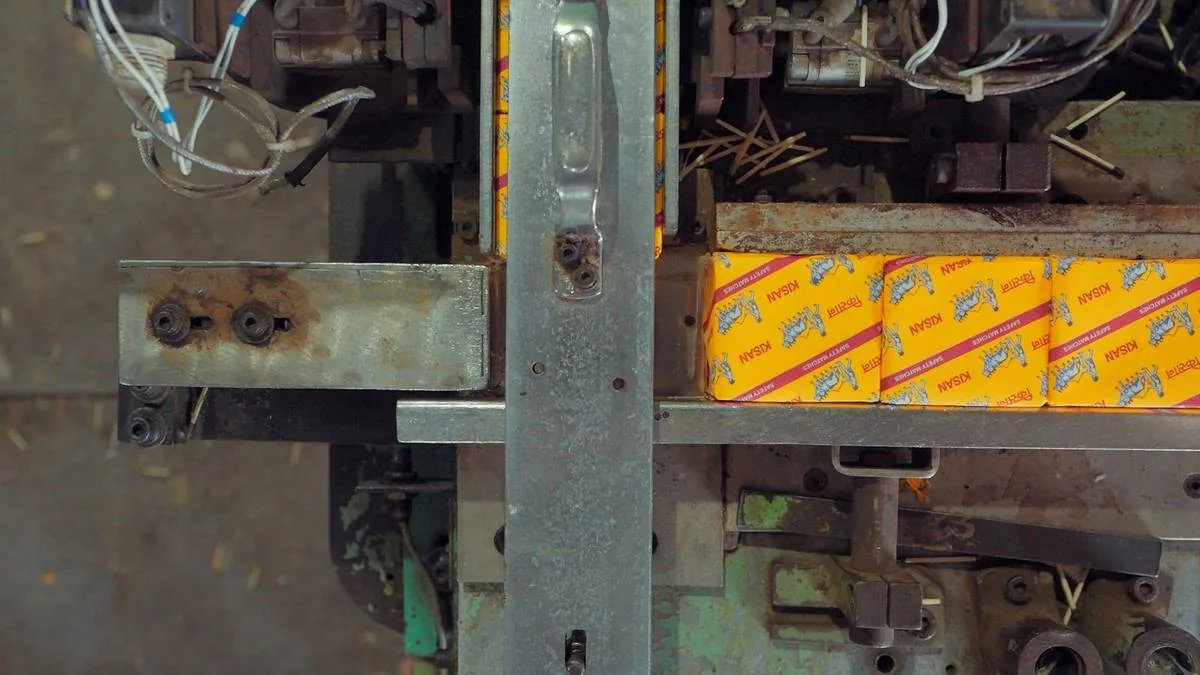
When a container of matches arrives late, the first guess is usually that the factory was slow. In practice, most of the lost weeks sit before production starts and after it ends: approvals, packaging, weather, festivals and shipping a dangerous goods cargo.
Lock samples and artwork before you place the order, plan around the north east monsoon and the festival season in Tamil Nadu, and give the shipper time to book a vessel that accepts Class 4.1 cargo. Those three steps remove most delays.
1. Sample and artwork approvals
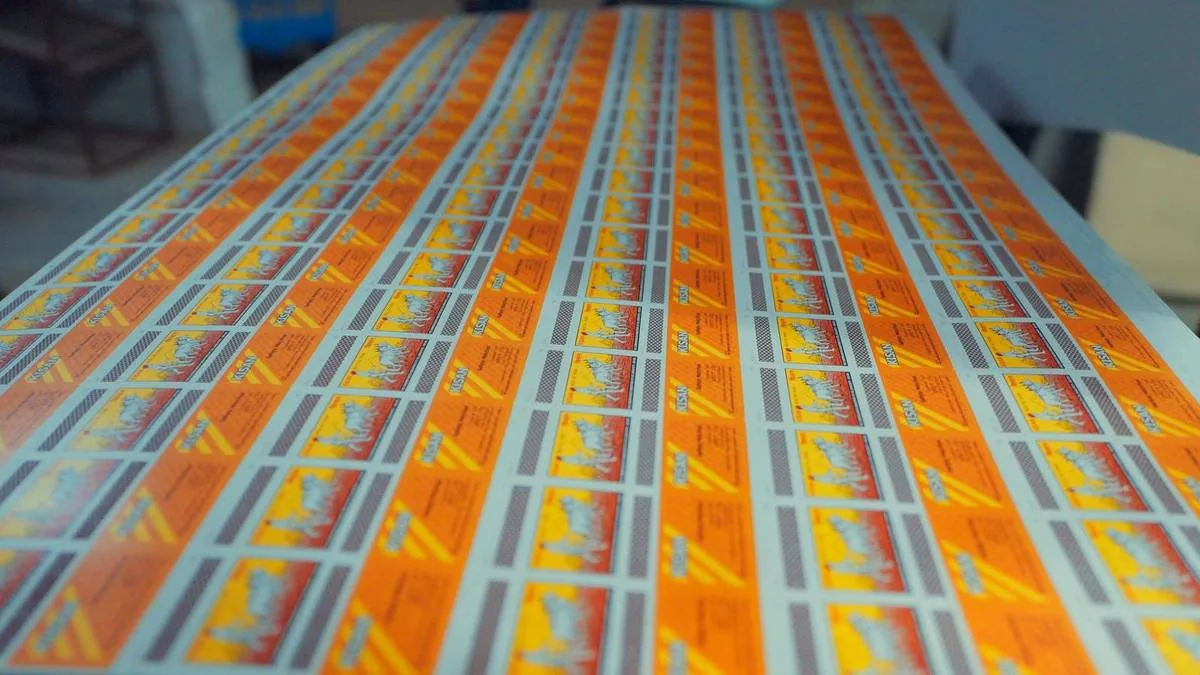
Every round of comments on a sample or a box design adds days, and printed packaging cannot be ordered until the artwork is final. For private label orders this is the single most common source of delay. Custom printed sleeves, outers and cartons also have their own printing lead time.
Plan for it: approve the sample and sign off print ready artwork before you raise the purchase order, not after.
2. Raw material availability and price swings
Match makers buy wood, potassium chlorate, phosphorus, wax and board. Chemical prices move, and potassium chlorate in particular is shared with India's fireworks industry, which uses most of the country's supply and peaks before Diwali.1 Producers have had to reprice through sharp increases in chlorate and phosphorus costs before.2
Plan for it: share a rolling forecast so your supplier can secure materials ahead of the peak, and agree how price changes are handled before you need the goods.
3. Weather and drying
Match heads need controlled drying. Southern Tamil Nadu, where most Indian match units are, gets most of its rain from the north east monsoon in October, November and December.3 Heavy rain has stopped production in the Sivakasi cluster for weeks at a time.4 A supplier who refuses to rush drying is protecting your quality, but it does cost days.
Plan for it: place orders for shipment between November and January earlier than you would for the rest of the year.
4. The festival calendar
Diwali in October or November and Pongal in mid January are the biggest holidays in the region. Many workers travel home and output drops for a week or more around each one.
Plan for it: ask your supplier for their holiday calendar at the start of the year and build it into your reorder dates.
5. Shipping a dangerous goods cargo
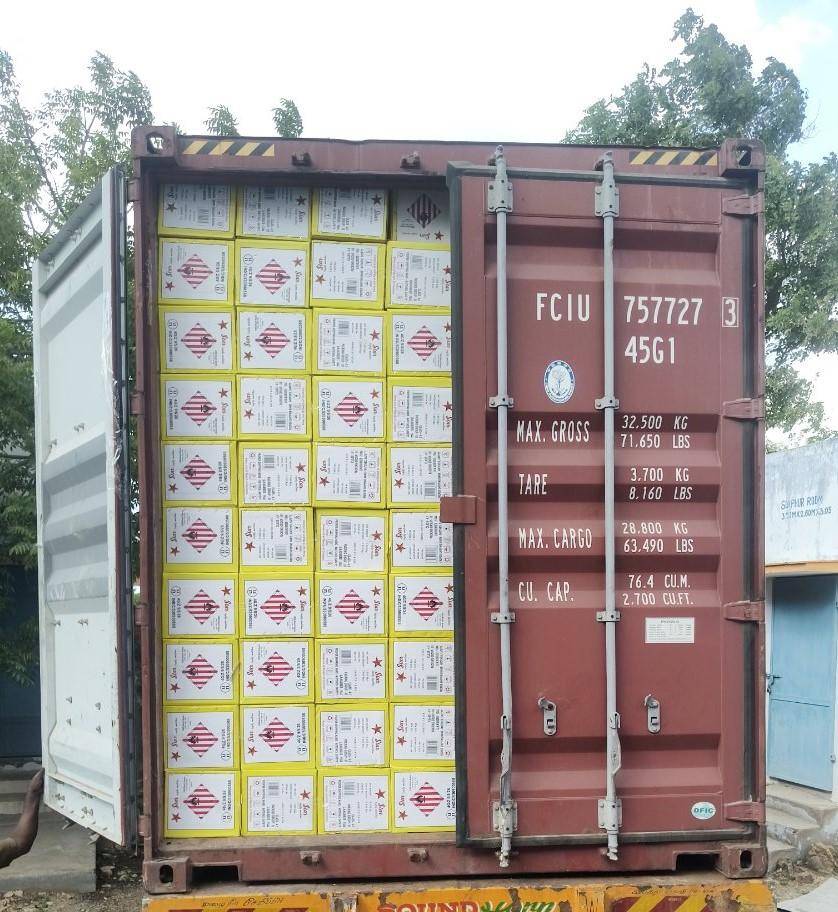
Safety matches are UN 1944, Class 4.1 flammable solid.5 Not every vessel or route accepts them, the booking needs a dangerous goods declaration, and the cargo must be packed and marked correctly. When ports are busy, dangerous goods space is often the first to fill. A mistake in the declaration can hold a container at the port.
Plan for it: work with a supplier that books Class 4.1 cargo every week, and confirm the vessel before production finishes, not after.
6. Documents and destination rules
Commercial invoices, packing lists, certificates of origin and any conformity certificates required by the destination country all have to agree with each other and with the letter of credit if you use one. Some importing countries also require inspection or certification before shipment. One spelling mismatch can hold payment or cargo.
Plan for it: send the supplier your document checklist and a sample set from a previous shipment with the purchase order.
A simple planning rule
| Before the order | During production | Before loading |
|---|---|---|
| Approve sample and artwork | Weekly status update | Vessel confirmed, DG accepted |
| Share 3 to 6 month forecast | Mid production check | Inspection against approved sample |
| Agree document checklist | Packaging received | Draft documents checked by you |
How we handle it at Apex
We plan our production calendar around the monsoon and the festival season, hold approved samples and artwork on file for repeat orders, and ship Class 4.1 cargo routinely to more than 40 countries. Repeat buyers send one email to reorder.
Plan your next shipment with us
Tell us your market and peak season. We will send a lead time plan for your first order.
- IMARC Group, India potassium chlorate market (fireworks share of consumption).
- Assam Tribune, Safety matches makers decide to resize, reprice box price.
- Vikaspedia, Virudhunagar district: Sivakasi (north east monsoon, October to December).
- Business Standard, Rain plays spoilsport for Sivakasi, January 2024.
- UN Model Regulations dangerous goods list, UN 1944 Matches, safety, Class 4.1, packing group III (ADR listing).