How to import safety matches from India: a step-by-step guide
Six steps from specification to your port, and which of them can run at the same time.
India is one of the world's largest sources of safety matches, and most of what it exports is made in a small belt of southern Tamil Nadu. Importing from there is straightforward once you know the order of the steps. Most first-time importers lose time not on the factory floor, but on paperwork, artwork and shipping arrangements that could have run in parallel.
Fix your specification first (match type, box size, stick count, packing). Approve a physical sample and your artwork. Agree price, Incoterm and payment terms. Book the shipment as dangerous goods (UN 1944, Class 4.1). Then check the first container against your approved sample before you scale.
Where India's matches come from
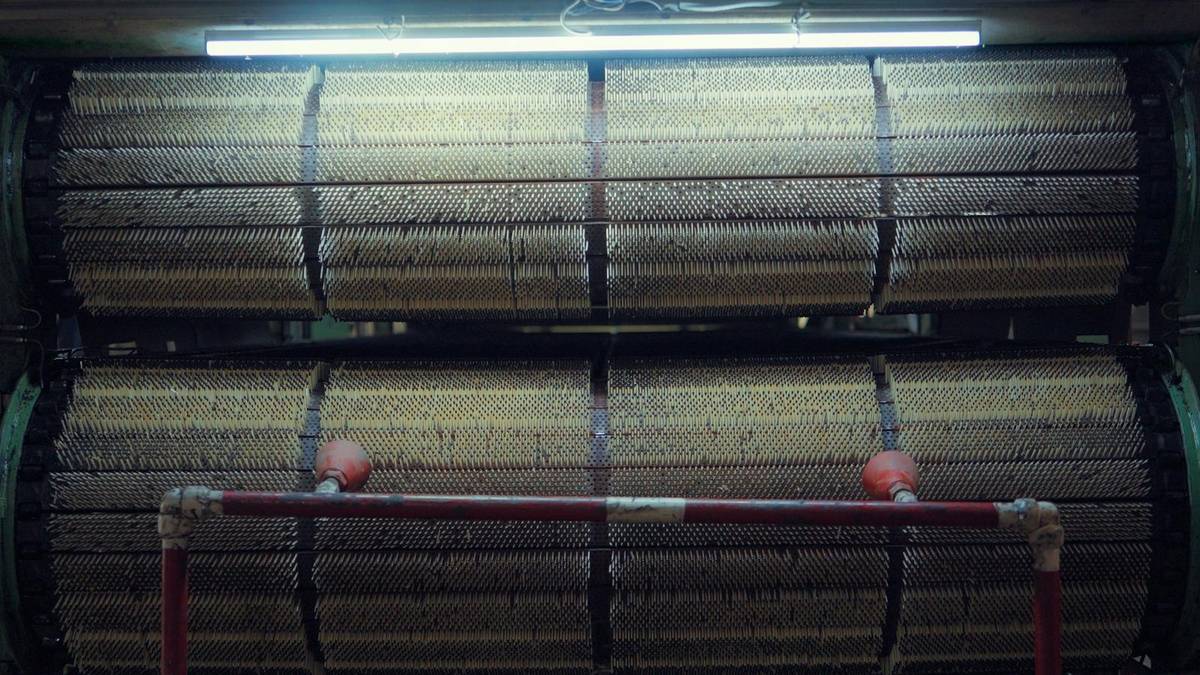
Most of India's match industry sits around Kovilpatti, Sattur and Sivakasi in southern Tamil Nadu. A reply in India's Parliament put the number of handmade safety match units in the region at around 3,500, providing livelihoods for roughly 2 lakh (200,000) people.1 In 2025, local manufacturers applied for a Geographical Indication for Sivakasi-Kovilpatti matchboxes.2
India's exports of safety matches (HS 3605 00 10) were worth about ₹430 crore in 2024-25.3 Buyers range from large importers in West Africa to private-label brands in Latin America, Europe and the Pacific.
Step 1: Write a one-page specification
Before you ask for prices, decide what you are buying. Suppliers can only quote accurately when they know:
- Match type: wooden, wax, kitchen, long stick or promotional.
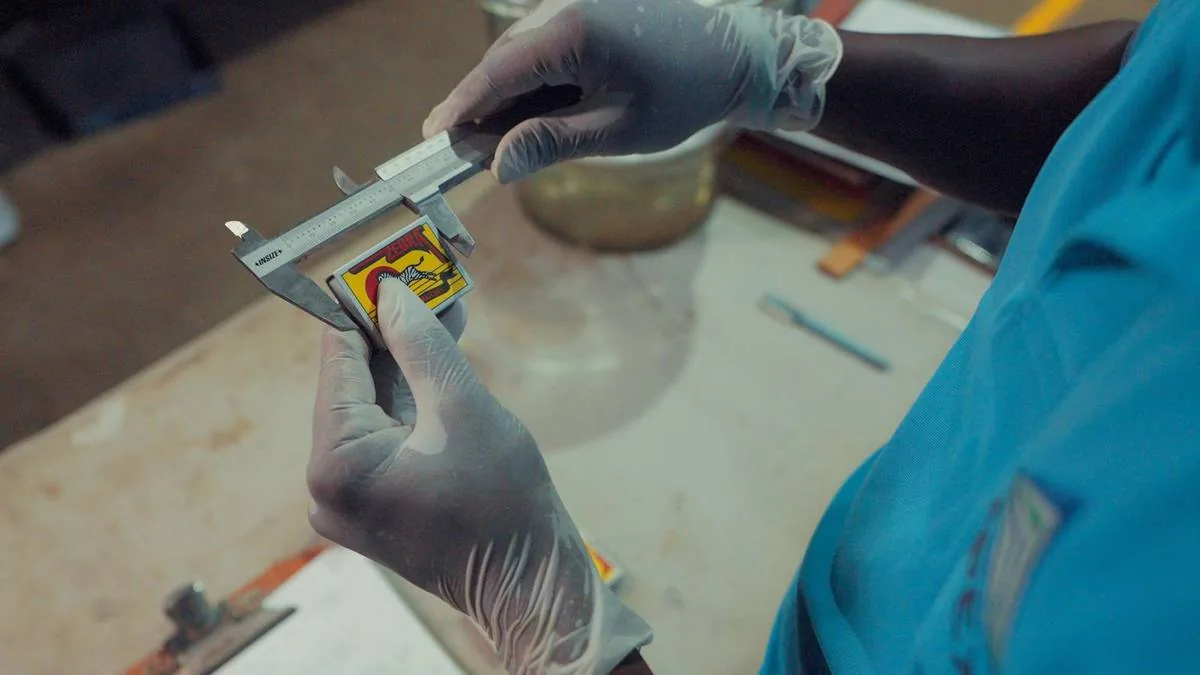
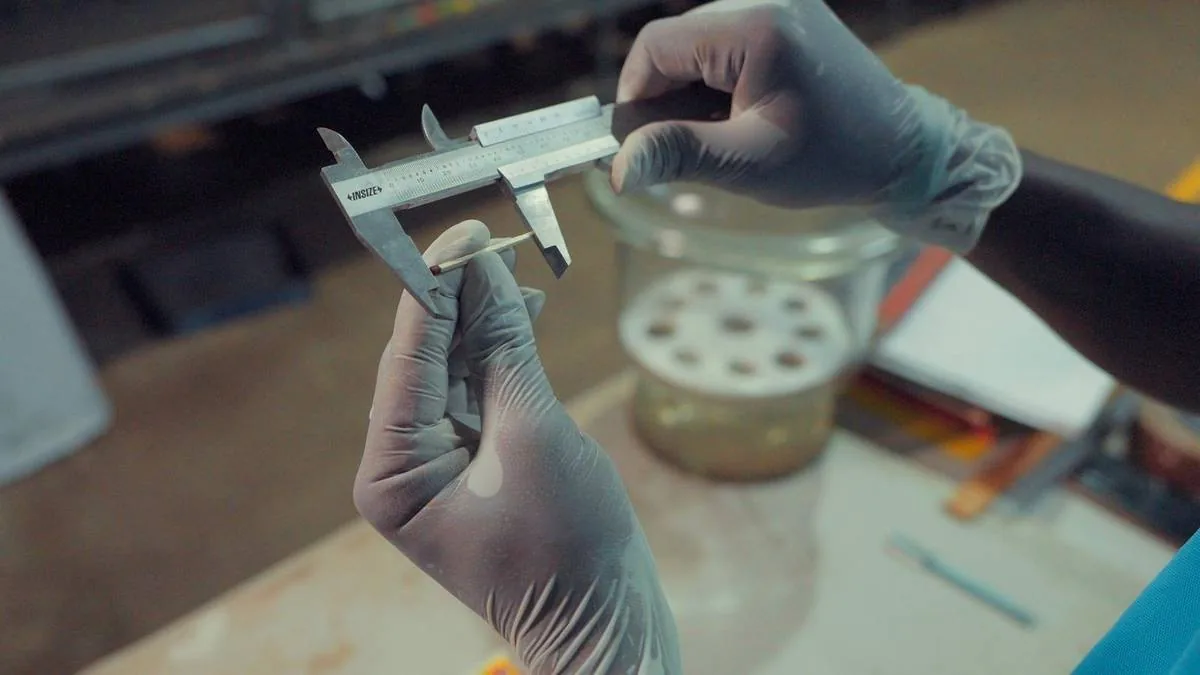
- Box size and stick count: for example 40, 50 or 60 sticks a box. This drives price more than anything else.
- Head colour and splint length.
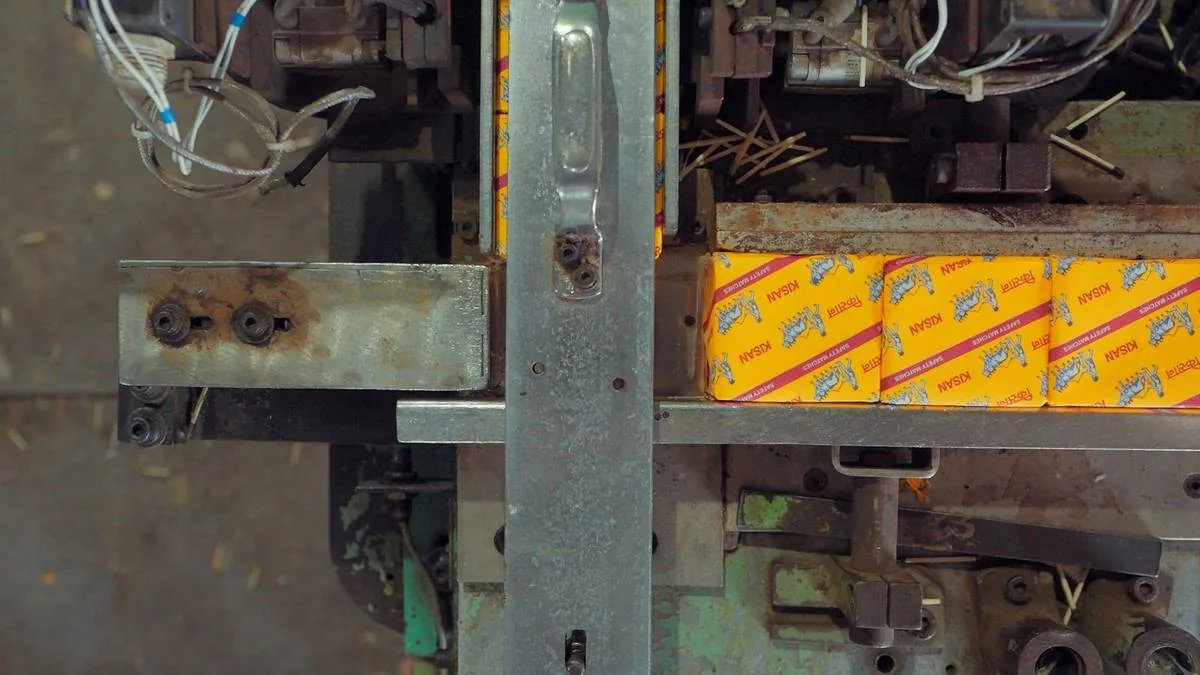
- Packing: boxes per pack (often 10 or 12), packs per carton, and shrink wrap or paper wrap.
- Brand: the supplier's own brand or your private label.
Step 2: Approve a physical sample
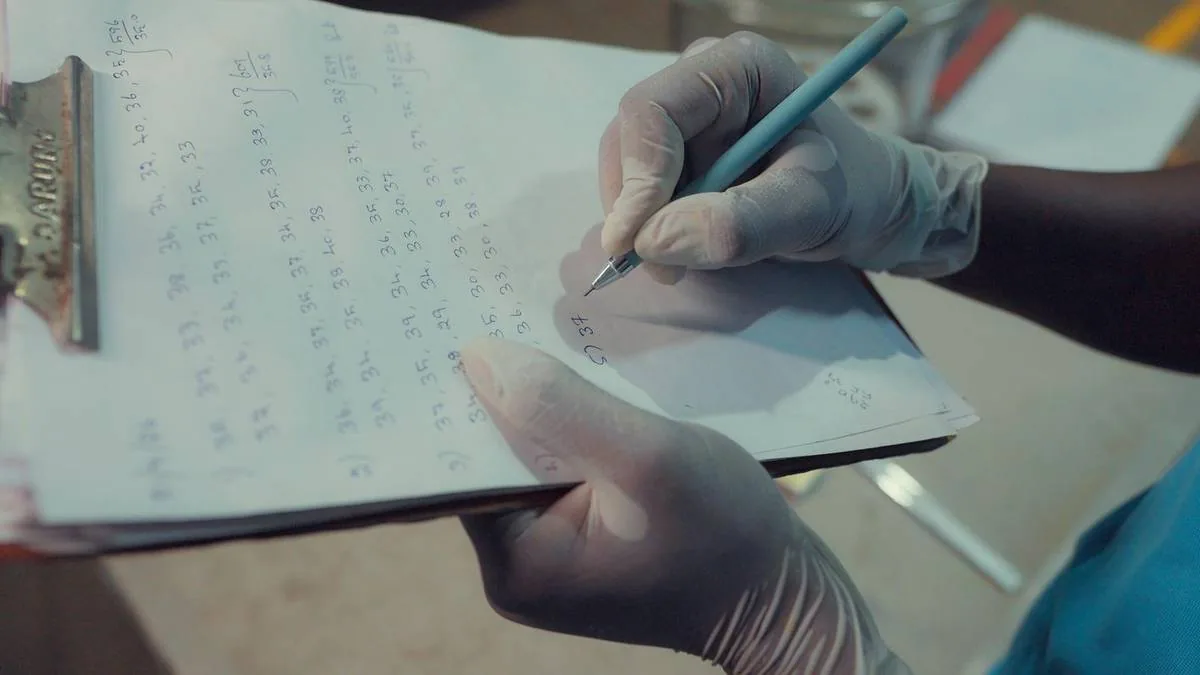
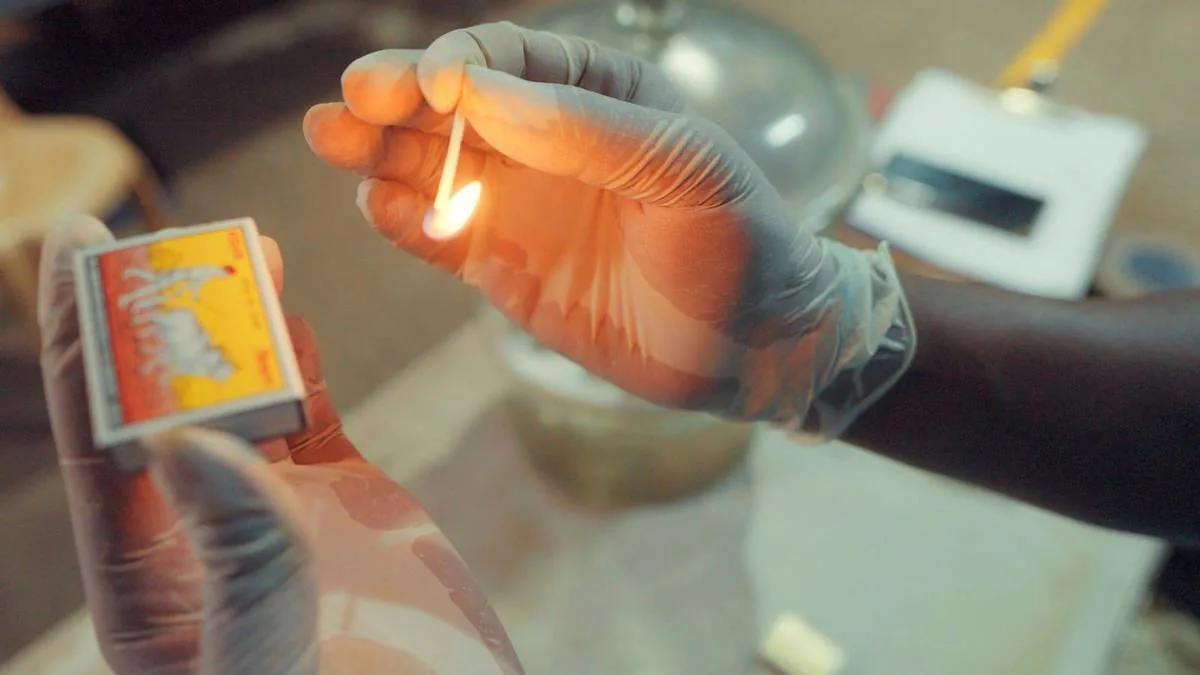
Ask for samples made on the production line, not hand-picked. Strike them in your own market's conditions: a humid warehouse in Lagos is not an air-conditioned office. Check the strike, the burn, the afterglow and how the striker holds up after half the box. Keep a set of approved samples, sealed and signed. Every future shipment is measured against them.
Step 3: Finalise artwork in parallel
Box artwork, the carton marking and any language your market needs (warnings, importer address, barcode) can take as long as the sample. Start it the same week. Printing plates are made once the artwork is final, so late changes add days.
Step 4: Agree price, Incoterm and payment
Quotes are usually on FOB (Tuticorin or Chennai) or CIF/CFR to your port under Incoterms 2020. Agree which one in writing, together with the payment method: an advance with the balance against documents, or a letter of credit for new relationships. Our guide to MOQ, payment terms and Incoterms explains each option.
Step 5: Book the shipment as dangerous goods
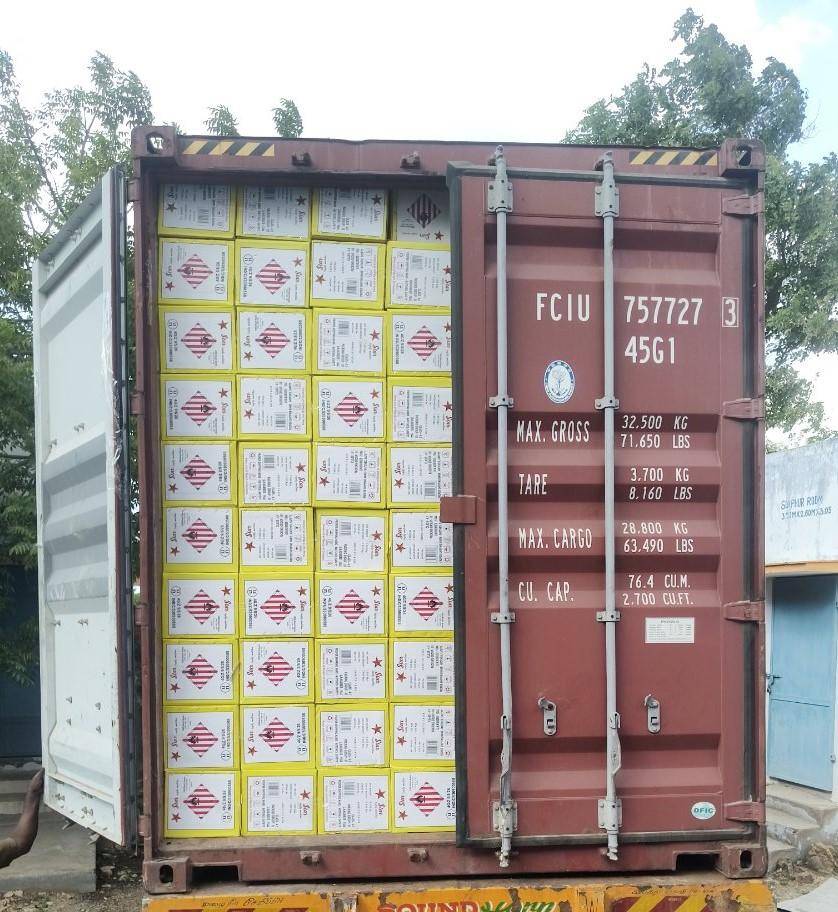
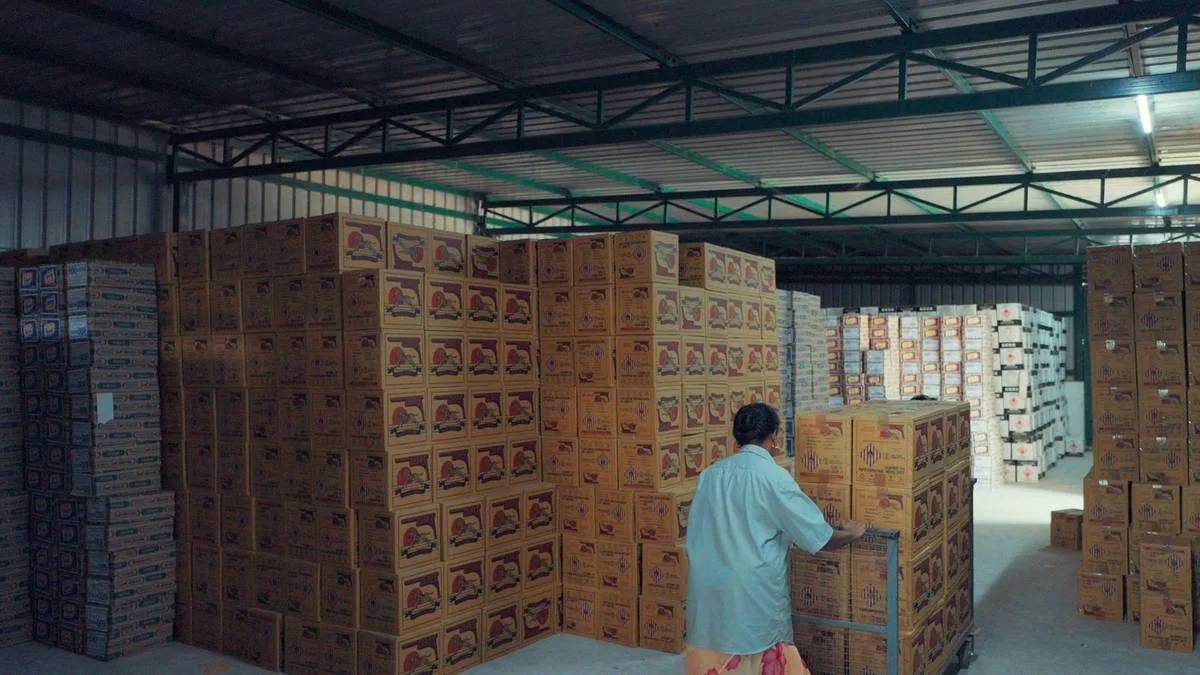
Safety matches travel as dangerous goods: UN 1944, "Matches, safety", Class 4.1 flammable solid, packing group III.4 Not every shipping line or forwarder accepts them on every route, so the exporter books with carriers that do, and issues the dangerous goods declaration. Ask your supplier how often they ship UN 1944. A factory that ships every week has these relationships in place. See our shipping guide for the details.
Step 6: Clear customs and check the first container
Your documents will normally include the commercial invoice, packing list, bill of lading, certificate of origin and the dangerous goods declaration. Matches are classified under HS heading 3605.5 Check your country's duty rate and any import licence for matches with your customs broker before the goods arrive.
When the first container lands, open cartons from the front, middle and back and test them against your approved sample. If it matches, you have a supplier you can scale with.
Common questions
How long does a first order take?
Plan for sampling and artwork first, then production and the sea voyage. The quickest first orders are the ones where specification, artwork and payment terms are settled before production starts. Our article on why match orders get delayed covers where time is usually lost.
Can I order a mixed container?
Usually yes. Many importers combine several box sizes or match types in one container, as long as each line meets the factory's minimum run.
Planning your first import?
Send us your market and target price point. We will come back with a specification, samples and a shipping plan.
- Lok Sabha, reply on the safety match industry in Tamil Nadu.
- IP India, GI application 1575, Sivakasi-Kovilpatti matchboxes (filed 2025).
- Busy, HSN 36050010 safety matches, export value 2024-25 (compiled from Ministry of Commerce TradeStat).
- Safety data sheet, safety matches, UN 1944, Class 4.1, PG III.
- Flexport, HS 3605: matches, other than pyrotechnic articles.