How consistent quality safety matches are manufactured
From log to container: the nine stages of match making and the four quality gates that keep every shipment the same.
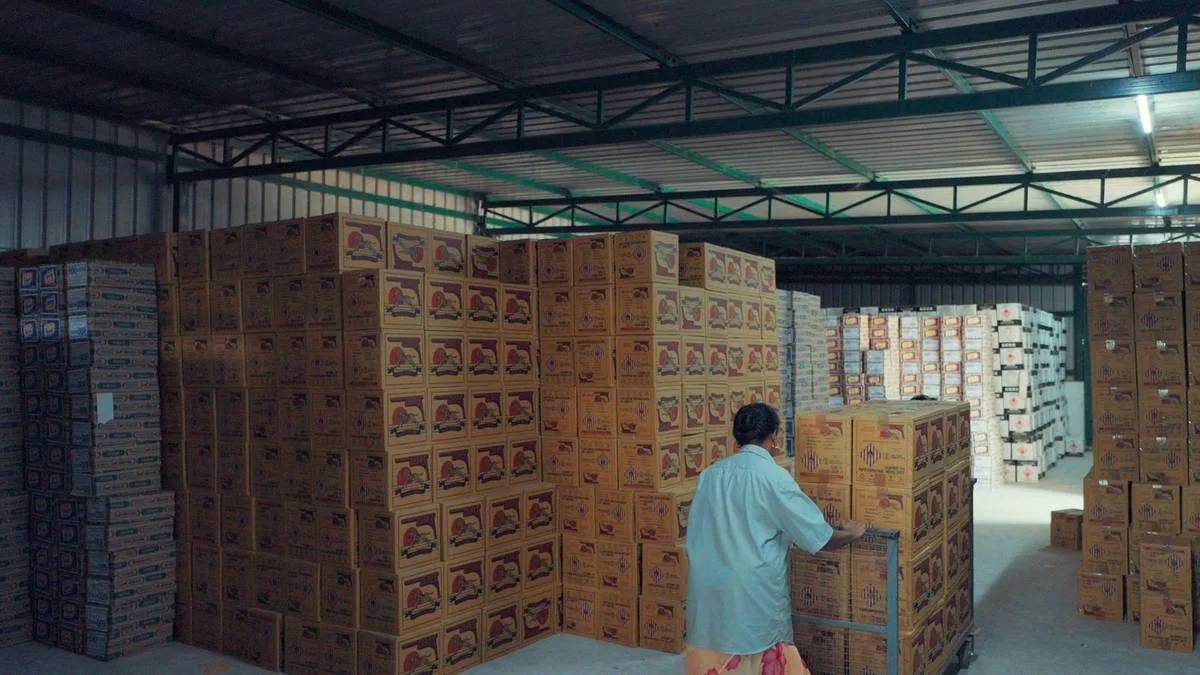
Making one good box of matches is easy. Making the same box ten million times, through dry summers and humid monsoons, is the real skill. Consistency comes from controlling a handful of variables at every stage, and checking them before the product moves on.
A safety match passes through nine stages from log to container. Quality is set at four gates: the wood that comes in, the head composition each batch, the box and striking surface, and the final inspection against the approved sample. Miss one gate and the shipment drifts.
What a safety match is made of
A safety match has three working parts. The splint is a thin stick of soft wood. The head is mostly potassium chlorate, an oxidiser, bound with a glue and mixed with sulphur, fillers and powdered glass for friction. The striking surface on the box carries red phosphorus with powdered glass and a binder.1 Because the phosphorus sits on the box and not on the head, the match lights only when struck on that surface. That separation is what makes it a safety match.
Each part has to be right on its own, and the three have to match each other. A strong head on a weak striker, or a perfect head on damp wood, still makes a poor match.
Stage by stage
1 to 3. Wood, logs and splints
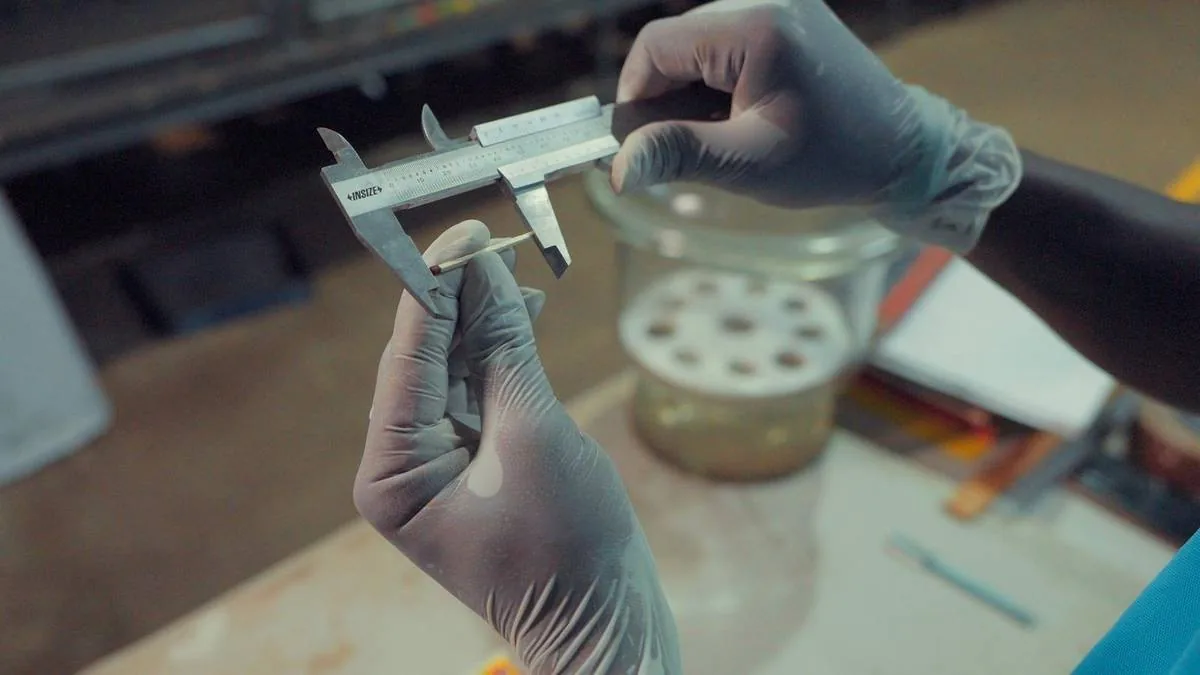
Match splints come from soft, straight grained wood that can be peeled into thin veneer and chopped into sticks of exact length and thickness. Density and drying matter: wood that is too dense or not dried properly burns unevenly.2 The splints are then treated so that they stop glowing once the flame is blown out, and given a light wax treatment that helps the flame travel from the head onto the wood.
Quality gate 1: wood. Every lot of wood is checked for moisture and defects before it is cut. A bad lot is cheaper to reject as logs than as finished boxes.
4. Head composition and dipping
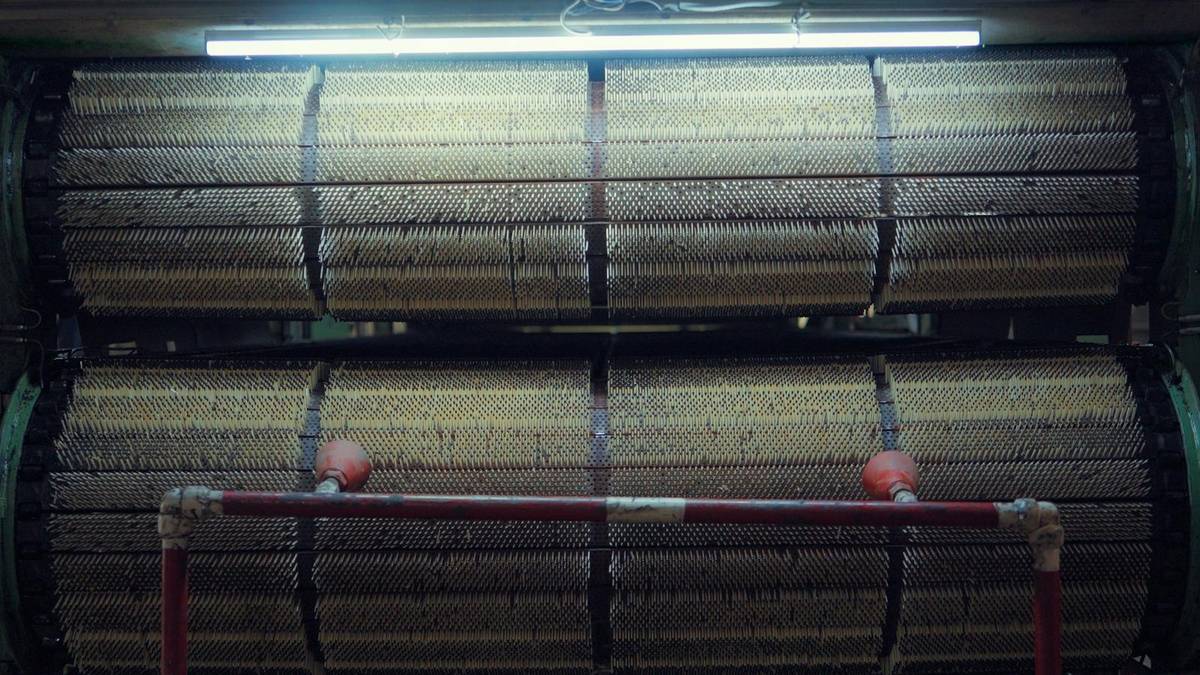
The head mix is prepared in weighed batches and the splints are dipped to a set depth, so every head has the same size and shape. The heads are then dried. Drying is where weather affects match making most: if heads dry too fast they crack, and if they dry too slowly in humid air they stay soft.
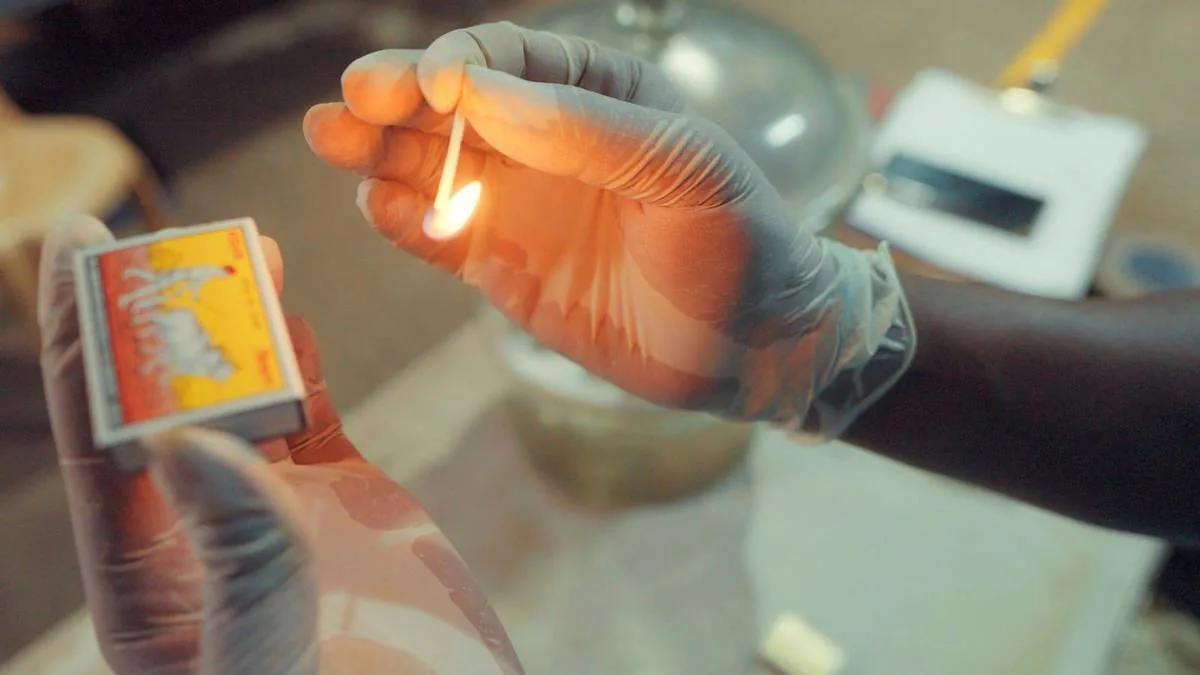
Quality gate 2: head batch. Each batch of composition follows a fixed recipe and is recorded. Sample matches from each batch are strike tested before the batch goes to the boxing line.
5. Boxes and striking surface
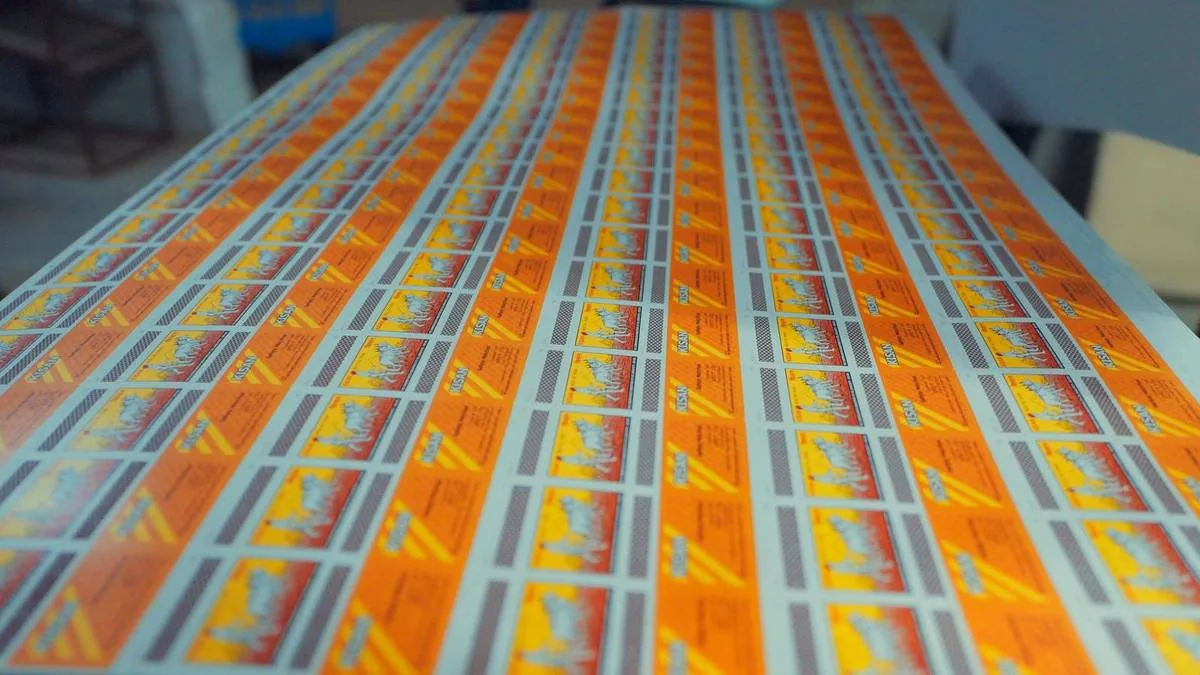
Outer sleeves and inner trays are made and printed, and the striking surface is coated on the sides. The coating needs to be even and well bonded so that it lasts for every match in the box.
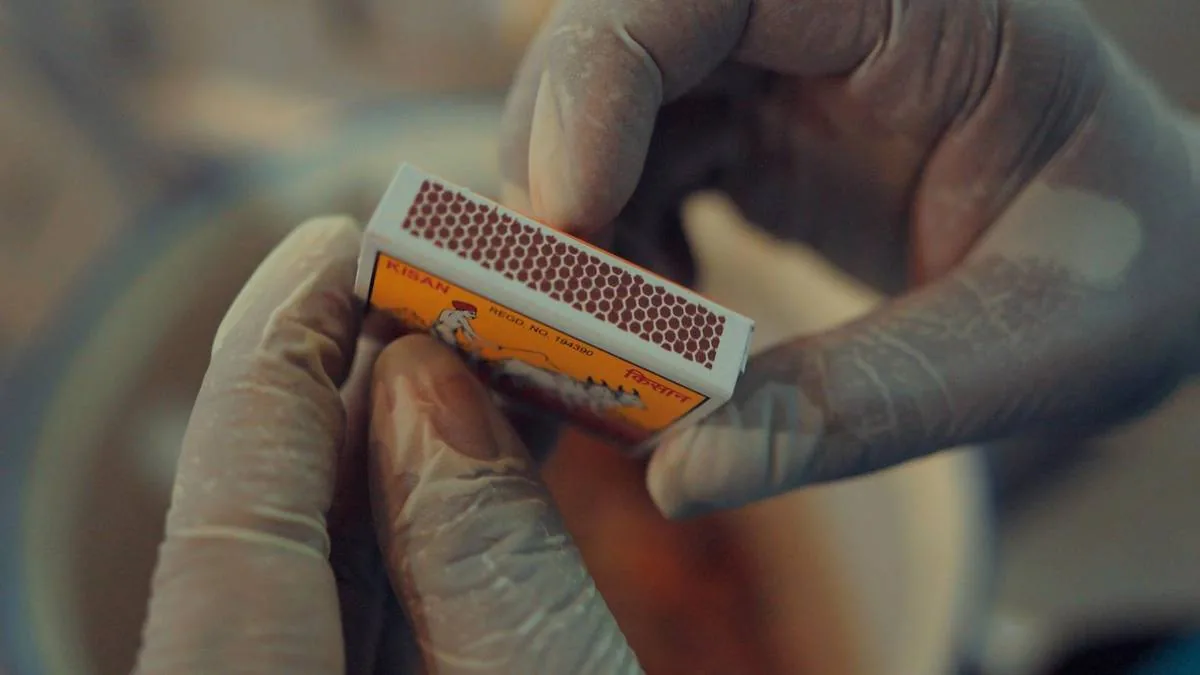
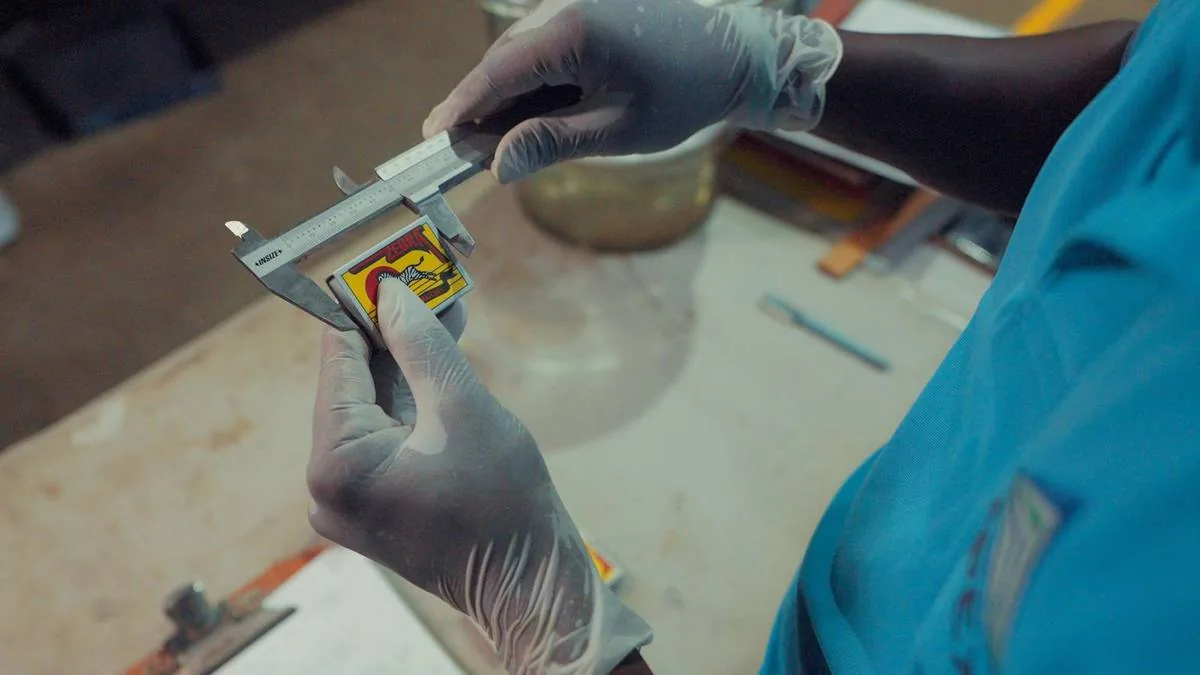
Quality gate 3: box and striker. Box strength, print, slide fit and striker coating are checked against the approved packaging.
6 to 9. Filling, inspection, loading, dispatch
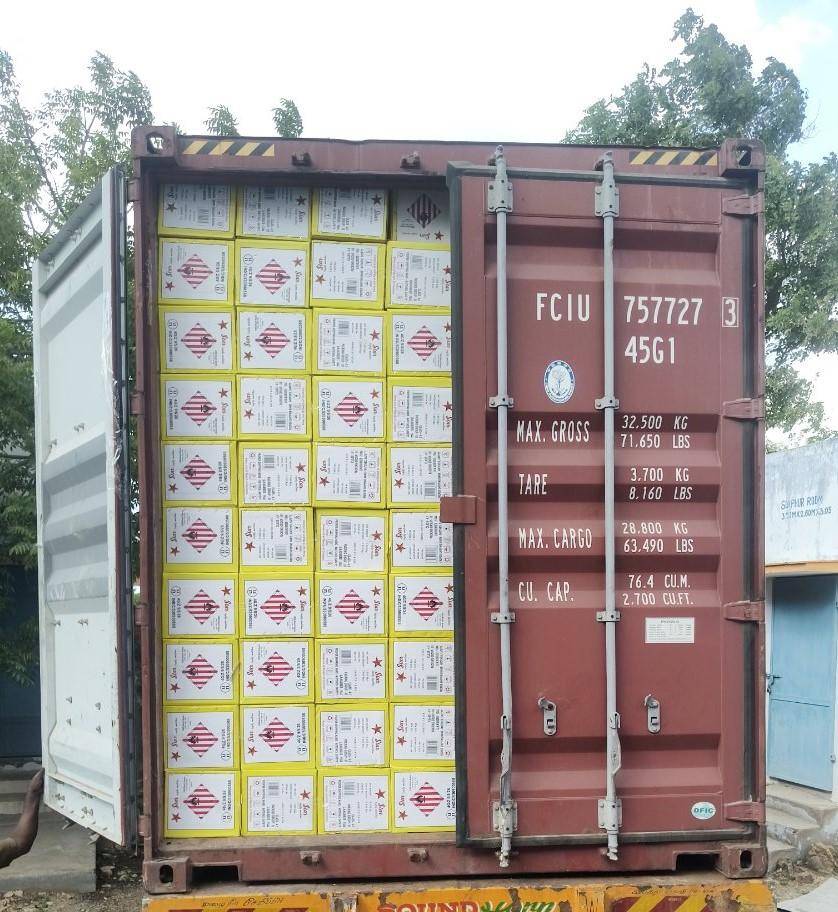
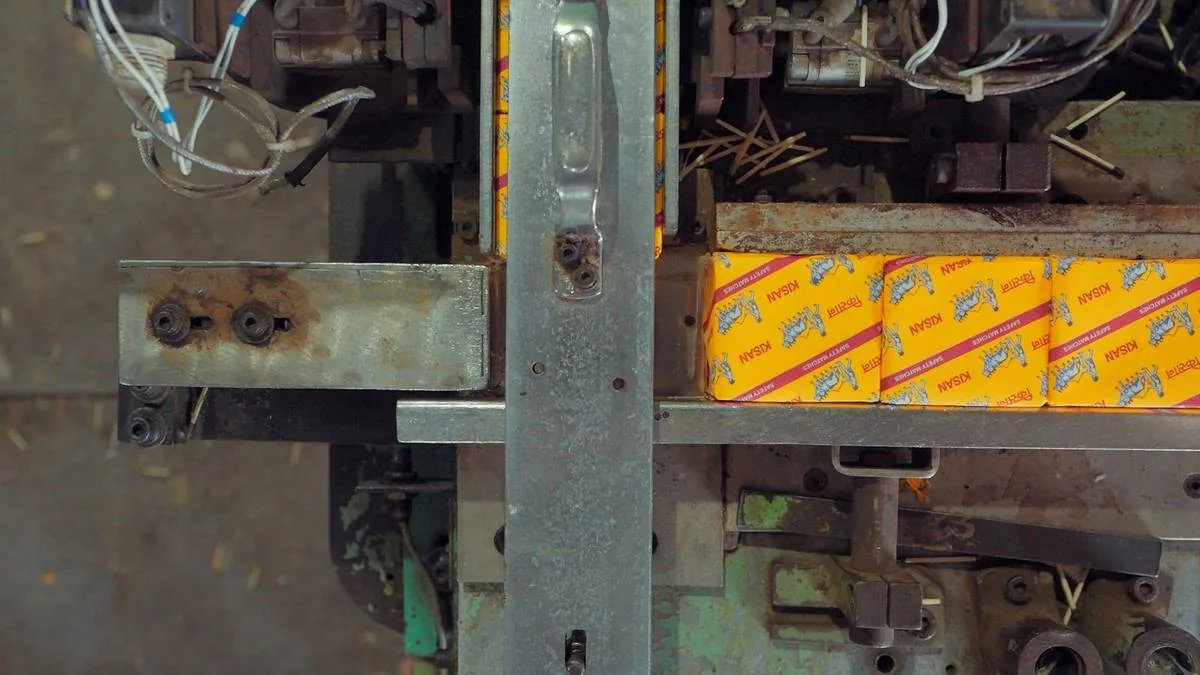
Boxes are filled, counted and packed into printed outers and export cartons. Then comes the final check before anything is loaded.
Quality gate 4: final inspection. At Apex, every lot is checked for strikeability, moisture, burn and packing against the approved sample before it is cleared for the container.
The five habits behind consistent matches
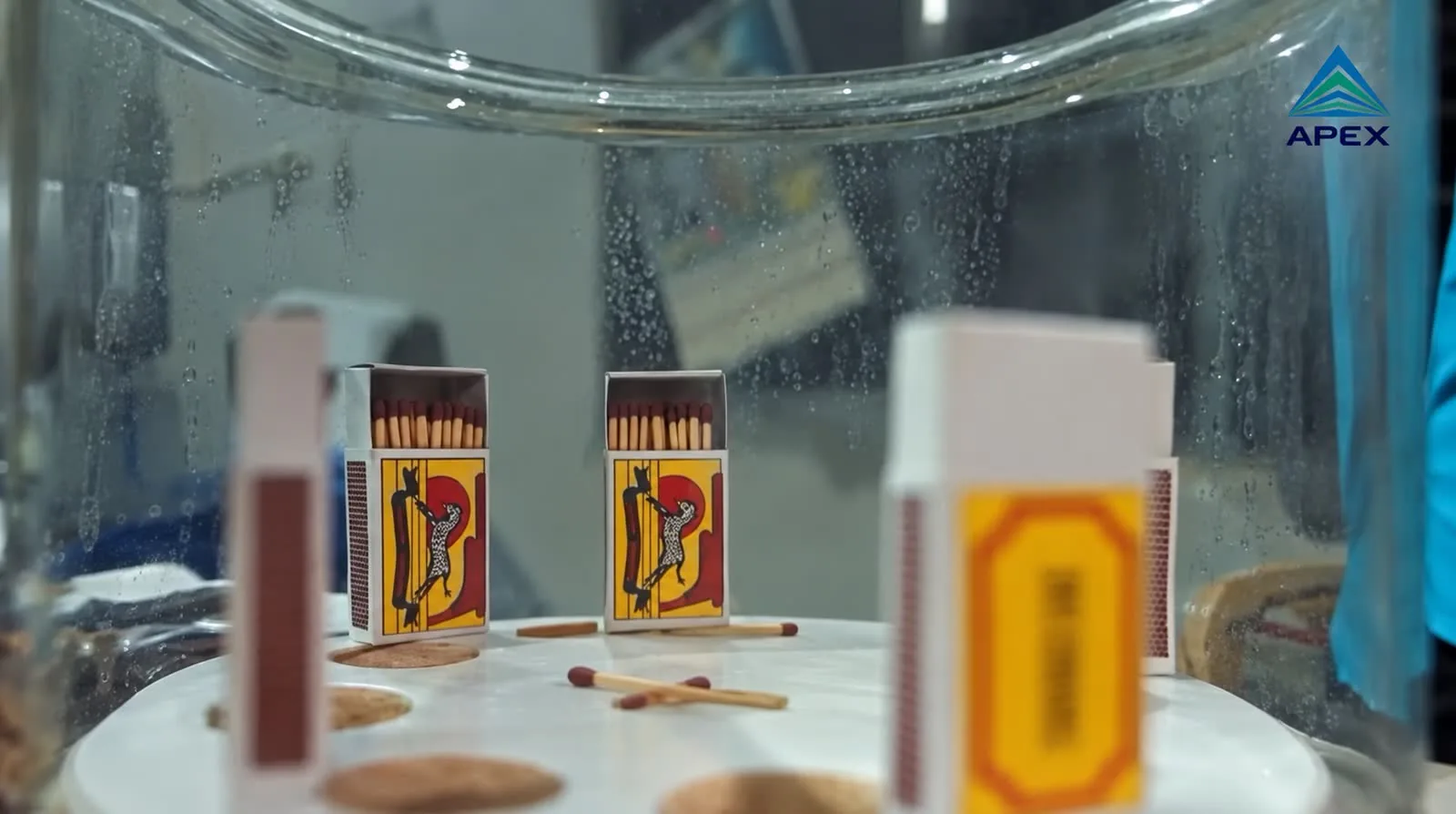
- A golden sample. The approved sample is sealed and kept. Every batch is compared with it, not with memory.
- Fixed recipes, weighed every time. Head and striker compositions are never adjusted by eye.
- Drying under control. Drying time and conditions are adjusted to the weather so heads cure the same in May and in November.
- Records that travel with the batch. If a problem appears in the market, the batch record shows where it came from.
- Inspection before loading, not after arrival. A rejected carton at the factory costs a day. A rejected container at the port costs a season.
What this means for you as a buyer
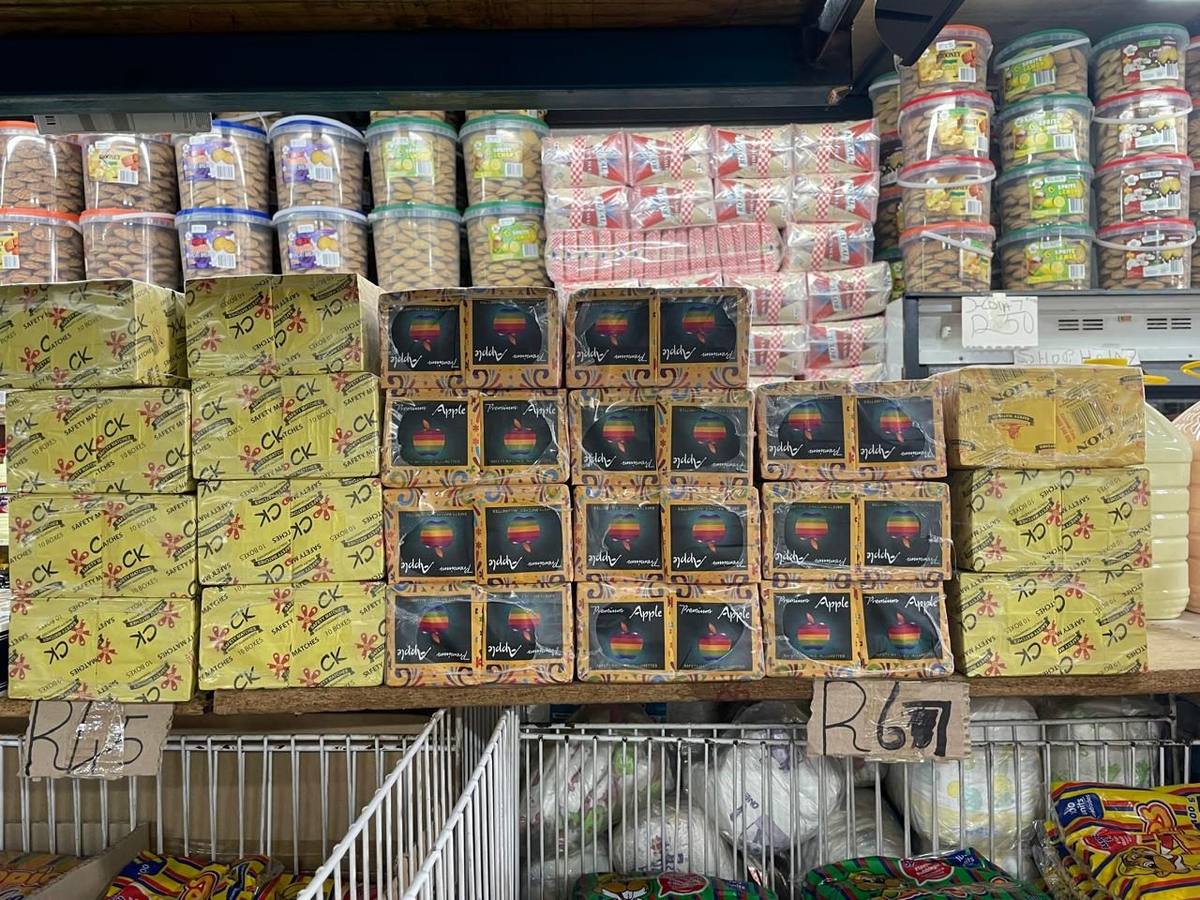
When you evaluate a supplier, ask them to walk you through these four gates and show you the record from each. A factory that can do that is a factory that can repeat your order. For what to test yourself, see the quality parameters that make a safety match right.
See the four gates for yourself
Book a video walkthrough of the Apex factory, or ask for a recent inspection report.
- Trade Development Authority of Pakistan, Report on safety match (head and striking surface composition).
- Quenker, How safety matches manufacturers ensure product quality (wood density and drying).
- Bureau of Indian Standards, IS 2653:2004 Safety Matches, summary.