Shipping safety matches: UN 1944, Class 4.1 and container rules
What dangerous goods shipping means for a container of matches, and what to check as the importer.
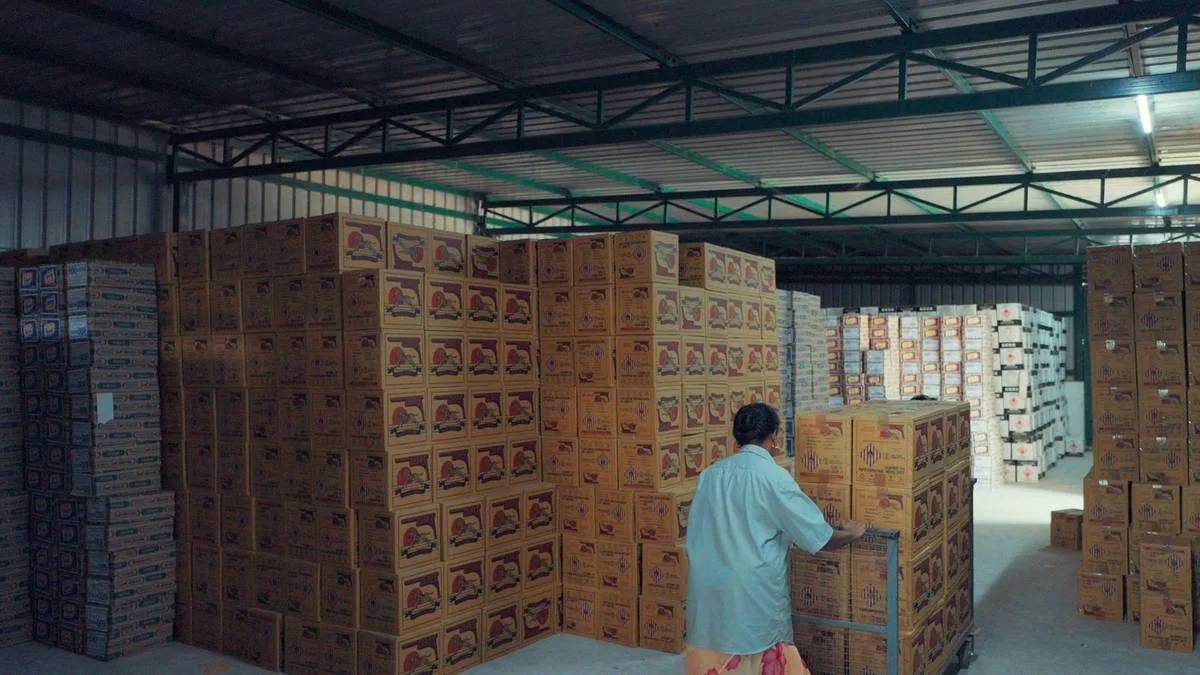
A match is designed to catch fire, so it is no surprise that shipping lines treat a container of matches differently from a container of soap. Safety matches move as dangerous goods. That sounds daunting, but it is routine for an experienced exporter. What matters for an importer is knowing what is required and choosing a supplier who handles it every week.
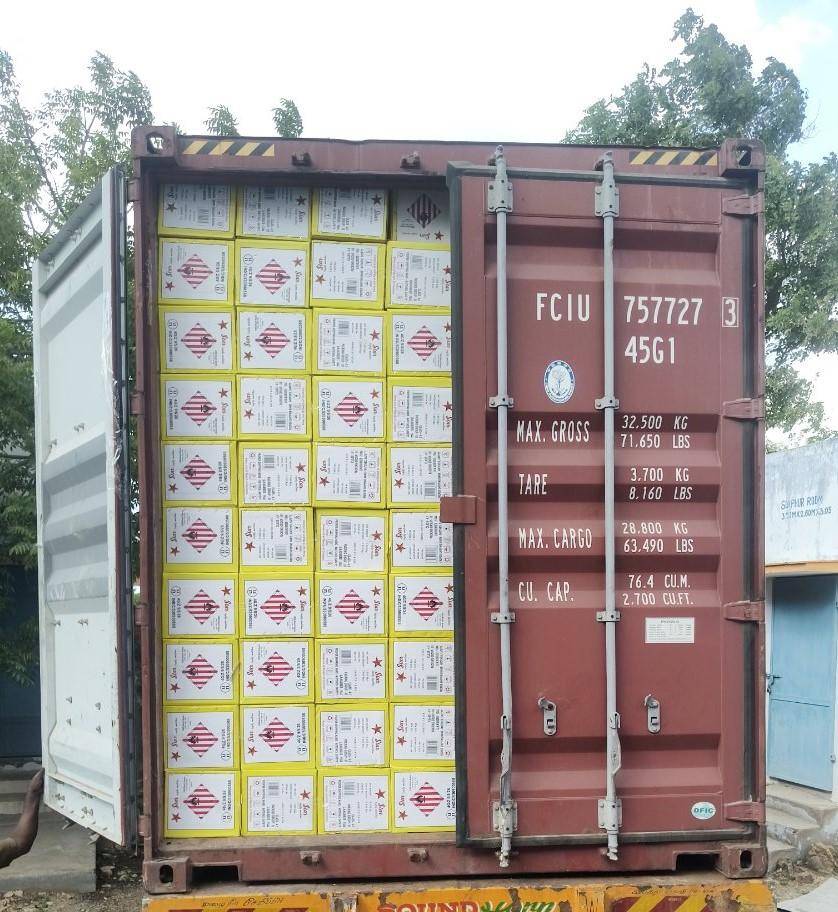
Safety matches are UN 1944, Class 4.1 (flammable solid), packing group III. They need packaging that meets the dangerous goods rules, a dangerous goods declaration, Class 4.1 labels and placards, and a carrier that accepts them on your route. Your exporter arranges all of this. Your job is to check it has been done.
The classification
Under the UN Model Regulations, which the sea (IMDG Code), road and air rules all follow, matches have their own entries:1
| UN number | Name | Class | Packing group |
|---|---|---|---|
| UN 1944 | Matches, safety (book, card or strike-on-box) | 4.1 | III |
| UN 1945 | Matches, wax "vesta" | 4.1 | III |
| UN 1331 | Matches, "strike anywhere" | 4.1 | III |
Class 4.1 covers flammable solids. Packing group III is the lowest of the three danger levels, which is why matches can travel by sea in ordinary dry containers once they are packed and declared correctly.
What the exporter must do
- Pack to the rules. Matches must be tightly packed in boxes, inside strong outer cartons, so they cannot rub or strike in transit.2
- Mark and label every carton with the UN number, the proper shipping name and the Class 4.1 label.
- Declare the cargo to the carrier with a dangerous goods declaration and a container packing certificate.
- Placard the container with Class 4.1 placards and the UN number.
- Book with a carrier that accepts it on your route. Shipping lines approve dangerous goods booking by booking, and some ports and vessels have limits.
Sea, not air
Matches go by sea. Air rules for Class 4.1 are much tighter and safety matches are generally restricted to cargo aircraft in small quantities, which makes air freight impractical for trade volumes.3 Samples are usually sent by courier only under the courier's own rules, so ask your supplier how they handle samples to your country.
Keeping the cargo dry
A sealed container crossing the equator can build up condensation, sometimes called container rain. Damp matches strike poorly. Good exporters use moisture-resistant inner packing, shrink or paper wrap, and desiccant bags or liners in the container on long or humid routes. Our article on keeping matches dry covers this in more detail.
What to check as the importer
- Your forwarder and your destination port both accept UN 1944.
- The bill of lading and declaration show the correct UN number and class.
- Your warehouse can store Class 4.1 goods under your local rules.
- Your insurance covers dangerous goods in transit and in storage.
Shipping matches every week
Apex books UN 1944 cargo with carriers that accept it, and sends you the documents before the vessel sails.
- Hong Kong Fire Services Department, dangerous goods entry for safety matches; ADR listing for matches.
- Safety data sheet, safety matches, transport information.
- Compliance Training Online, IATA Class 4 excepted and limited quantities.