Safety match standards by market: EN 1783, IS 2653 and more
Which standard applies where, what it covers, and how to manage it with your supplier.
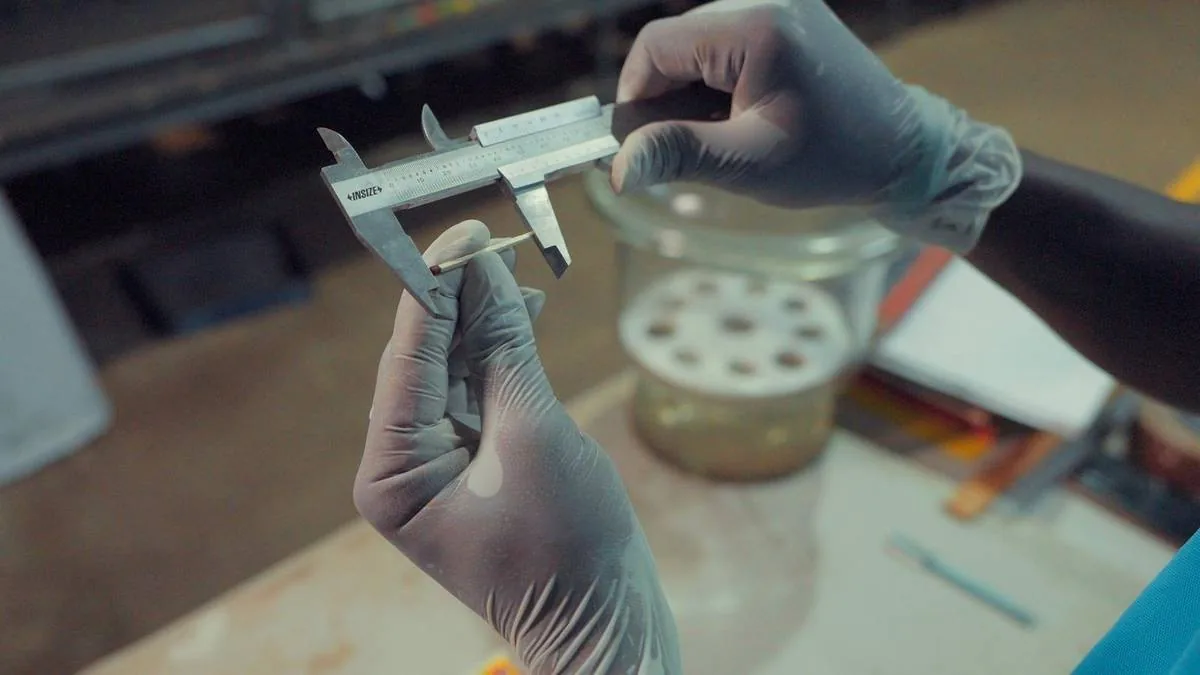
A match that sells well in one country can be stopped at the border of another. Most importing countries either have their own match standard or apply a regional one, and retailers increasingly ask for test results. Knowing which standard applies to your market before you order saves a costly relabel or a rejected container.
In the European Union and the UK, matches sold to the public follow EN 1783. India's national standard is IS 2653. In the United States, matchbooks have a mandatory safety standard (16 CFR 1202). Many other markets refer to one of these or to their own national standard. Ask your supplier for test results against your market's standard, and design your box warnings to match.
What match standards cover
Match standards are written to protect the consumer, so most cover the same ground:
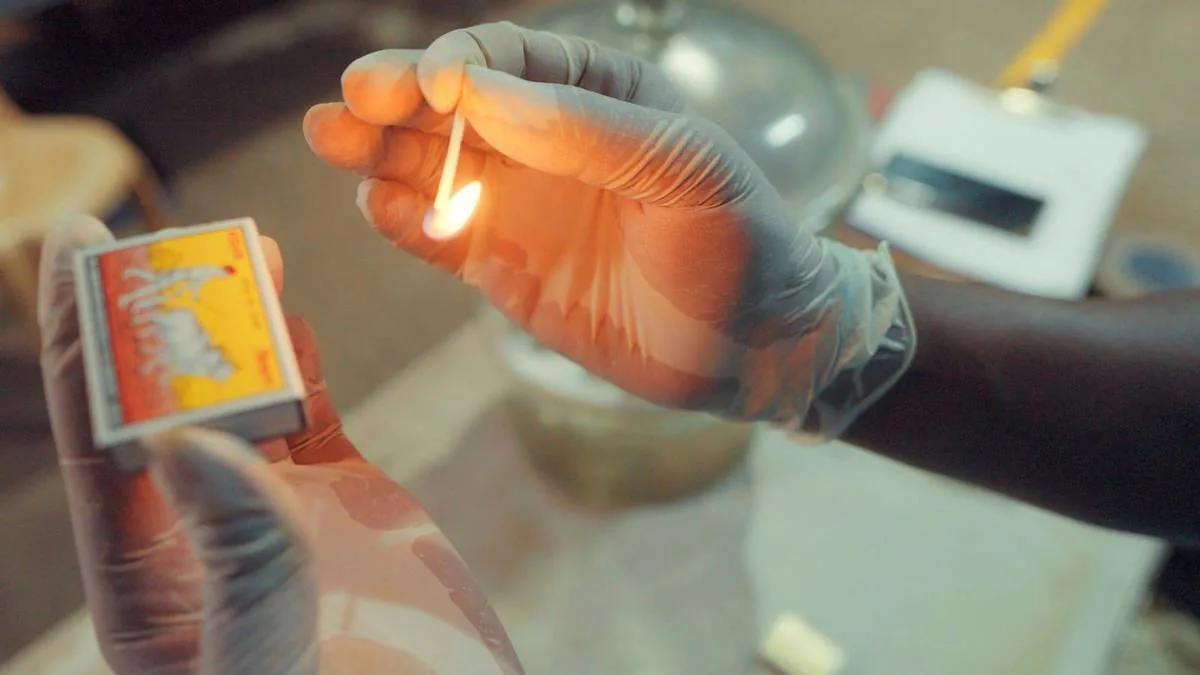
- Ignition: the match should light on the striker, not on other surfaces, and not too easily.
- Burning: no flaring, spitting or flying sparks, and no head that breaks off while burning.
- Afterglow: once blown out, the splint should not keep glowing for long.
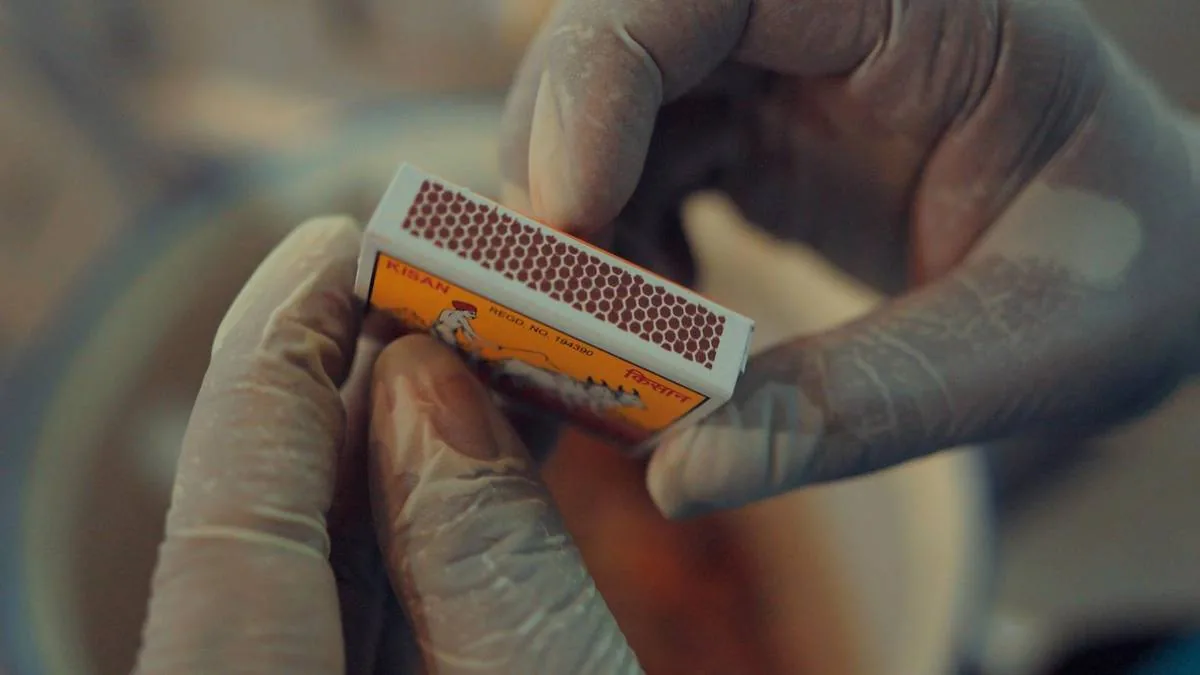
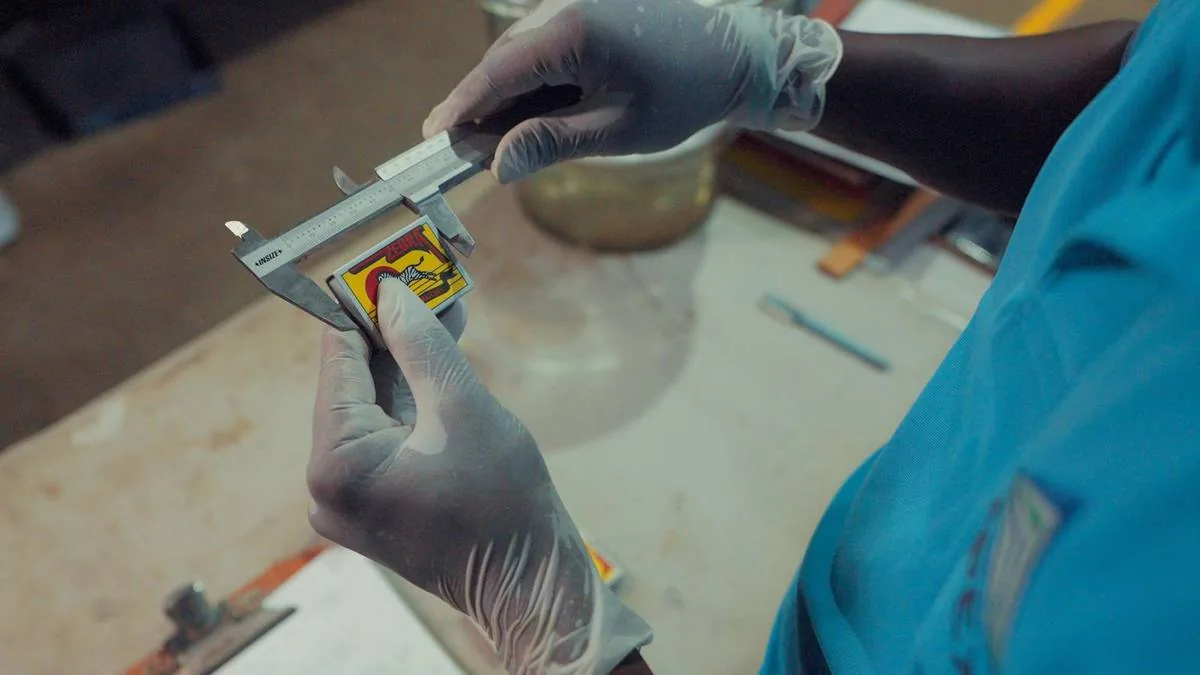
- The box: it should close properly and the striker should last the life of the box.
- Labelling: warnings, the maker or importer, and in some markets the number of matches.
European Union and UK: EN 1783
EN 1783 sets requirements for the safety, performance, classification and labelling of matches and their containers sold to the general public, with test methods and a sampling plan.1 It was adopted from the British standard BS 3795, and an amendment in 2002 strengthened the hazard warning aimed at children.2 If you sell in Europe, expect retailers to ask for a test report against EN 1783 and plan your box text around its labelling rules.
India: IS 2653
IS 2653 is the Bureau of Indian Standards specification for safety matches. It covers the quality of the match and the box, including how the match lights, burns and resists afterglow.3 For importers outside India it is a useful reference, because Indian exporters test to it routinely and can show the results.
United States: 16 CFR 1202
The US Consumer Product Safety Commission sets a mandatory safety standard for matchbooks under 16 CFR Part 1202, covering features such as the position of the friction strip and the cover.4 It applies to book matches. Boxed matches sold in the US should still meet the buyer's own specification and general product safety rules, so check with your customs broker and retailer.
Other markets
Many African, Middle Eastern and Latin American markets have national standards bureaus that publish match standards or adopt international ones, and some require pre-shipment inspection or a certificate of conformity. Rules change, so confirm with your local standards body or clearing agent before your first order.
How to manage standards with your supplier
- Name the standard in your purchase order, together with your approved sample.
- Ask for a test report on the first production lot, from the factory lab or an independent laboratory.
- Check the box text against the labelling rules before printing.
- Repeat the test when you change the box size, the head colour or the supplier.
Our article on match quality parameters explains the tests behind these standards in more detail.
Selling into a regulated market?
Tell us your market. We will confirm the standard we test to and share recent results.
- Genorma, EN 1783:1997 Matches: performance requirements, safety and classification.
- AFNOR, NF EN 1783/A1; Standards Ireland, EN 1783:1997.
- Bureau of Indian Standards, IS 2653 Safety matches, summary.
- US eCFR, 16 CFR Part 1202, Safety standard for matchbooks.