How to import incense sticks from India
From fragrance profile to sealed packs: five steps to a dependable incense supply.
Incense is one of India's oldest exports and one of its most varied. The same word covers a hand-rolled temple stick, a bold dipped fragrance for a market stall and a refined wellness range for a lifestyle store. Importing well starts with knowing which of these your market wants, then choosing a manufacturer who can make it the same way every time.
Define your consumer and fragrance profile first. Choose the stick type (masala, dipped or dhoop), the stick length, burn time and pack format. Approve fragrance samples in your own market conditions. Check your country's rules for scented products and labelling, then agree packing that keeps the fragrance sealed during a long sea voyage.
India's place in the incense trade
India and China are the two largest exporters of incense and similar burning preparations (HS 3307 41). In 2022 India's exports were worth around US$138 million and China's around US$218 million, with the UAE, Vietnam and France well behind.1 Indian incense is known for its masala sticks, its fragrance range and its long tradition of hand and machine rolling.
1. Know your consumer
Incense is bought for very different reasons: prayer and ritual, home fragrance, meditation and wellness, or simply to mask cooking smells. Each has its own expectations of scent strength, smoke and price. A devotional buyer in one market may want a strong, traditional floral or sandalwood note, while a lifestyle buyer elsewhere prefers a lighter, cleaner burn. Write down who buys, where and why before you talk fragrances.
2. Choose the product
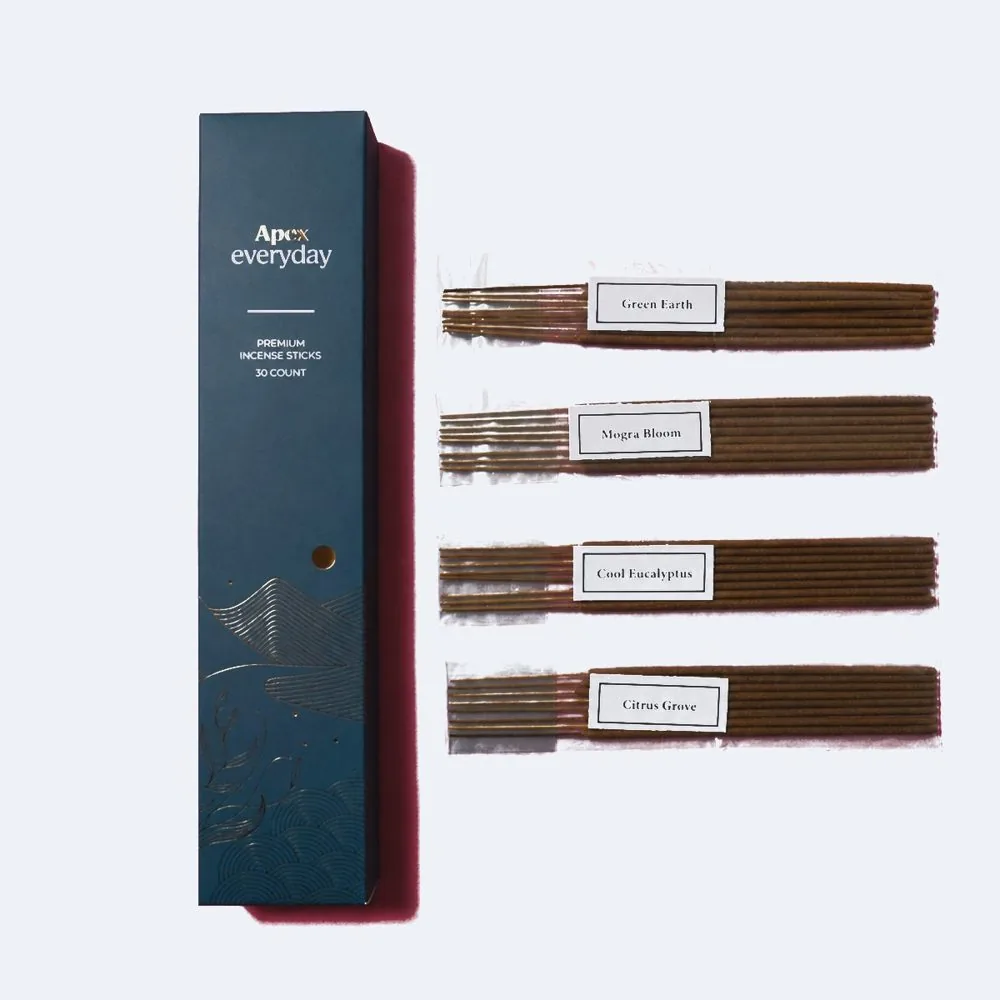
- Stick type: masala (a rolled paste of natural materials), dipped (a plain stick dipped in fragrance oil) or dhoop (a stickless cone or stick, usually richer). Our guide to masala, charcoal and dipped incense explains the differences.
- Length and burn time: common lengths are around 8, 9 and 11 inches. Longer sticks burn longer.
- Pack format: hexagonal tubes, flat packs, zipper pouches or boxes of cones, and how many sticks per pack.
3. Approve samples in your conditions
Burn samples where your consumer will: in a small room, a large hall, a hot and humid home. Check how the fragrance throws when the stick is burning and how it smells unlit in the pack, how much smoke and ash it produces, and whether it burns evenly to the end. Keep a sealed set of approved samples as the reference for future batches.
4. Check labelling and import rules
Incense is classified under HS 3307 41 ("agarbatti and other odoriferous preparations which operate by burning").2 Rules for scented products vary. In the European Union, importers of scented products such as candles must classify and label them under the CLP Regulation if a fragrance ingredient makes the product hazardous, and incense is usually approached the same way.3 Ask your manufacturer for a safety data sheet and confirm the labelling with your local authority or compliance adviser.
5. Protect the fragrance in transit
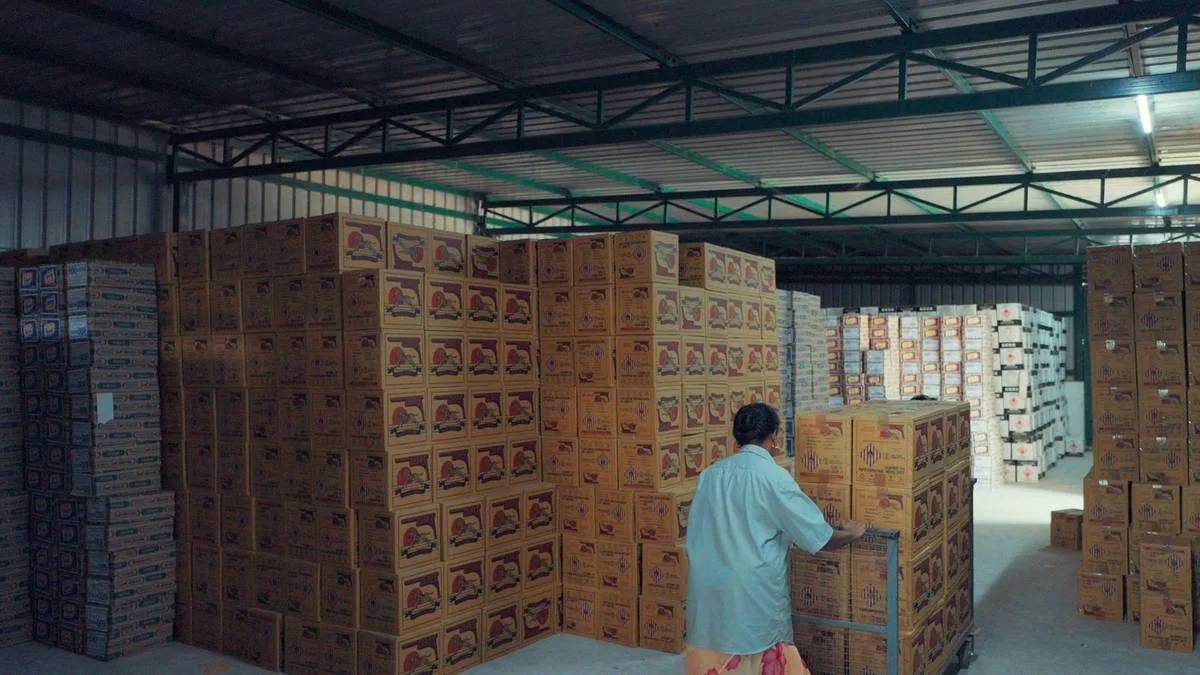
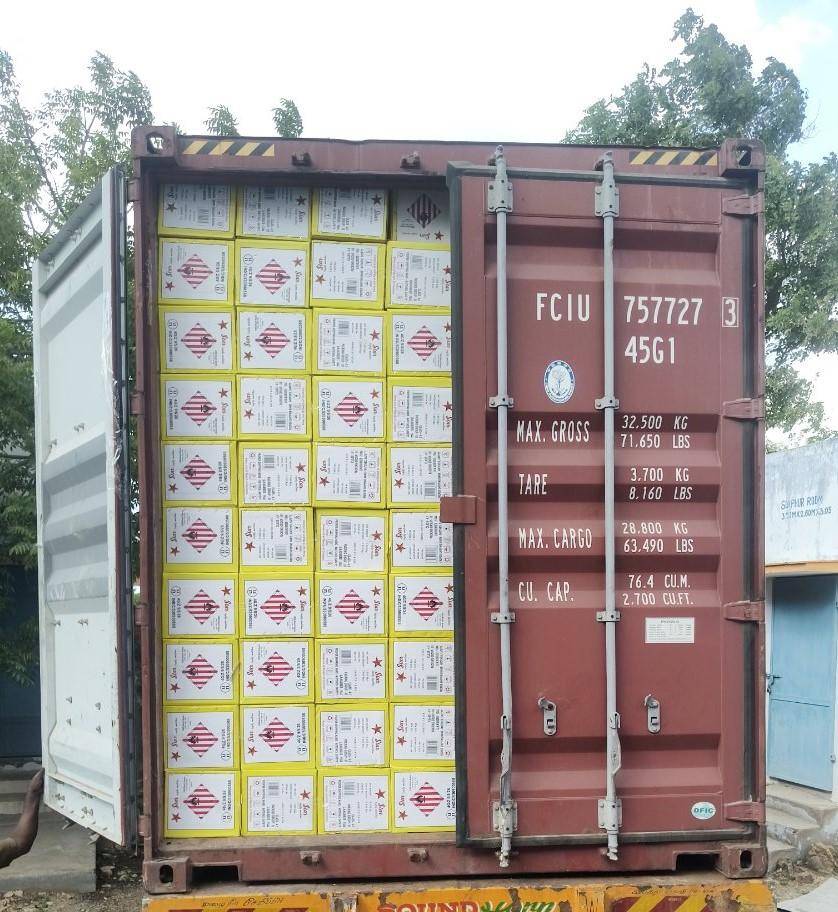
Fragrance fades when packs are left open to heat and air. Ask for sealed inner packs, shrink-wrapped retail units and sturdy outer cartons. On long routes, ship in containers protected against condensation, and store cartons in a cool, dry warehouse. Rotate stock so the oldest batches sell first.
Building an incense range?
Tell us your market and consumer. We will suggest fragrance families, stick types and packs, and send samples to test.
- OEC, Agarbatti and other odoriferous preparations which operate by burning (HS 330741).
- DataMéxico, product profile, HS 330741.
- ECHA via Certifico, Complying with CLP when making or importing candles.