Choosing the right matchbox size and stick count for your market
Box size and stick count set your price point, your margin and your container load.

Ask an importer what decides whether a match brand sells, and the answer is rarely the match itself. It is the box: how many sticks it holds, how big it is, and what it costs on the shelf. Box size and stick count set your price point, your margin and how many cartons fit in a container.
Start from the retail price your consumers expect, then work back to the stick count you can offer at that price. Match the box size to how matches are used (pocket, household or kitchen), and confirm how the box packs into cartons and containers before you fix the design.
Why the box matters more than you think
In most markets a box of matches sells at a familiar price, often a single coin or a round number. Consumers notice a price change at once, but they rarely count sticks. That is why the industry adjusts value through stick count and box size. When costs rose in India, for example, manufacturers changed both the box and its price after years at the same level.1
Three box families
Pocket boxes
Small boxes that fit a shirt pocket, typically with 40 to 50 sticks. They sell on convenience and the lowest shelf price, and they are the volume format in many African and Asian markets.
Household boxes
A larger box for the home, with more sticks. It suits supermarkets and buyers who want fewer, bigger purchases.
Kitchen and family boxes
The largest boxes, with the highest stick counts, often sold in multipacks. They compete on value per stick and suit markets where people cook with gas or kerosene every day.
Working out your stick count
- Fix the retail price your consumer expects to pay.
- Subtract the retailer's and distributor's margins, duty, freight and your own margin to reach a target ex-factory price.
- Ask your manufacturer what stick count and box size meet that price, with the splint and head quality you want.
- Test it on the shelf. If the leading brand offers 50 sticks at the same price, 40 will struggle unless your quality or look is clearly better.
Think about the carton and the container
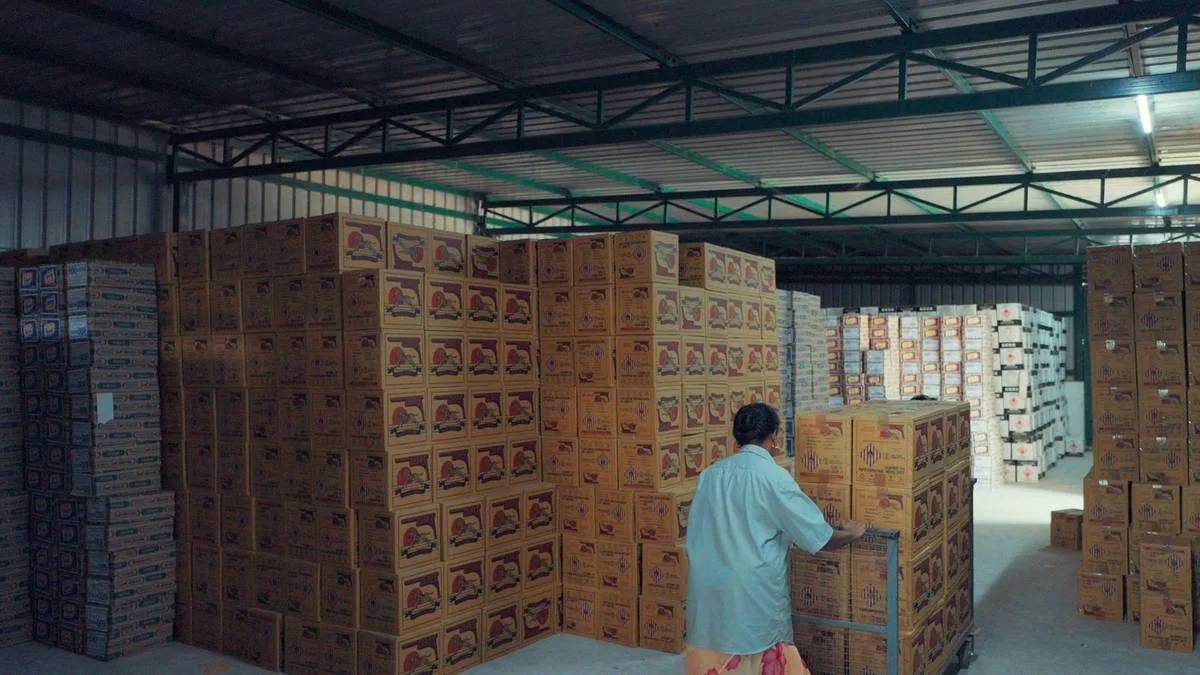
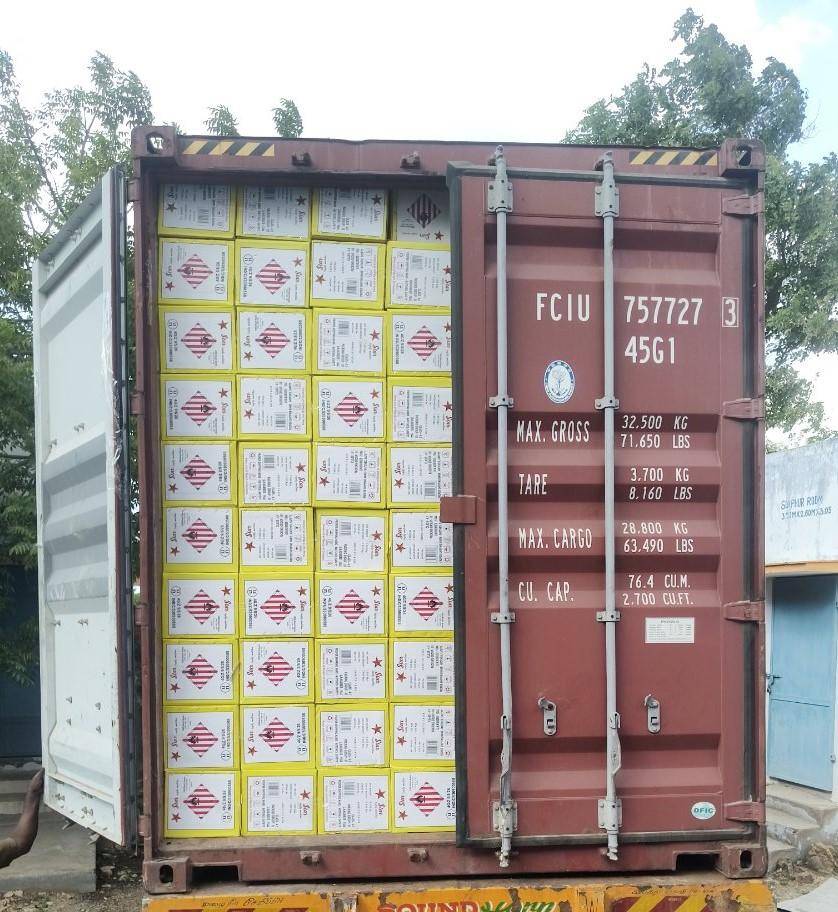
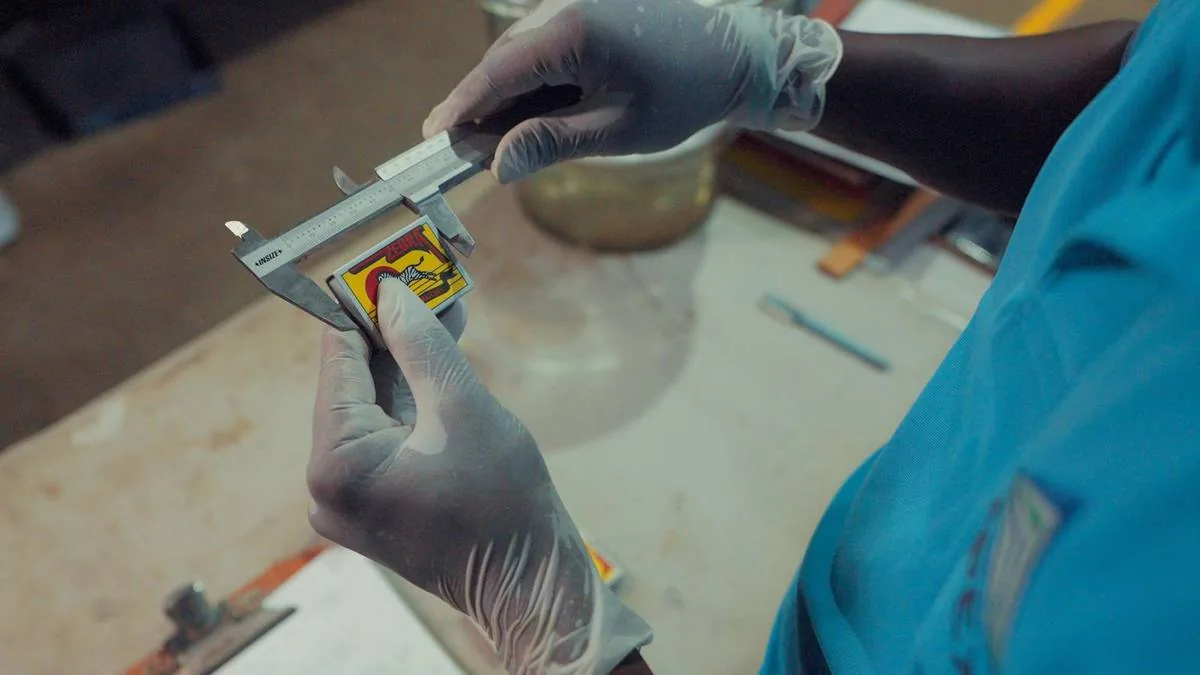
The box size decides how many boxes fit in a pack, how many packs in a carton, and how many cartons in a 20 ft or 40 ft container. A small change in box dimensions can change the container count noticeably, which changes your landed cost per box. Ask for the full packing calculation, carton by carton, before you approve the artwork.
Keep the range easy to read
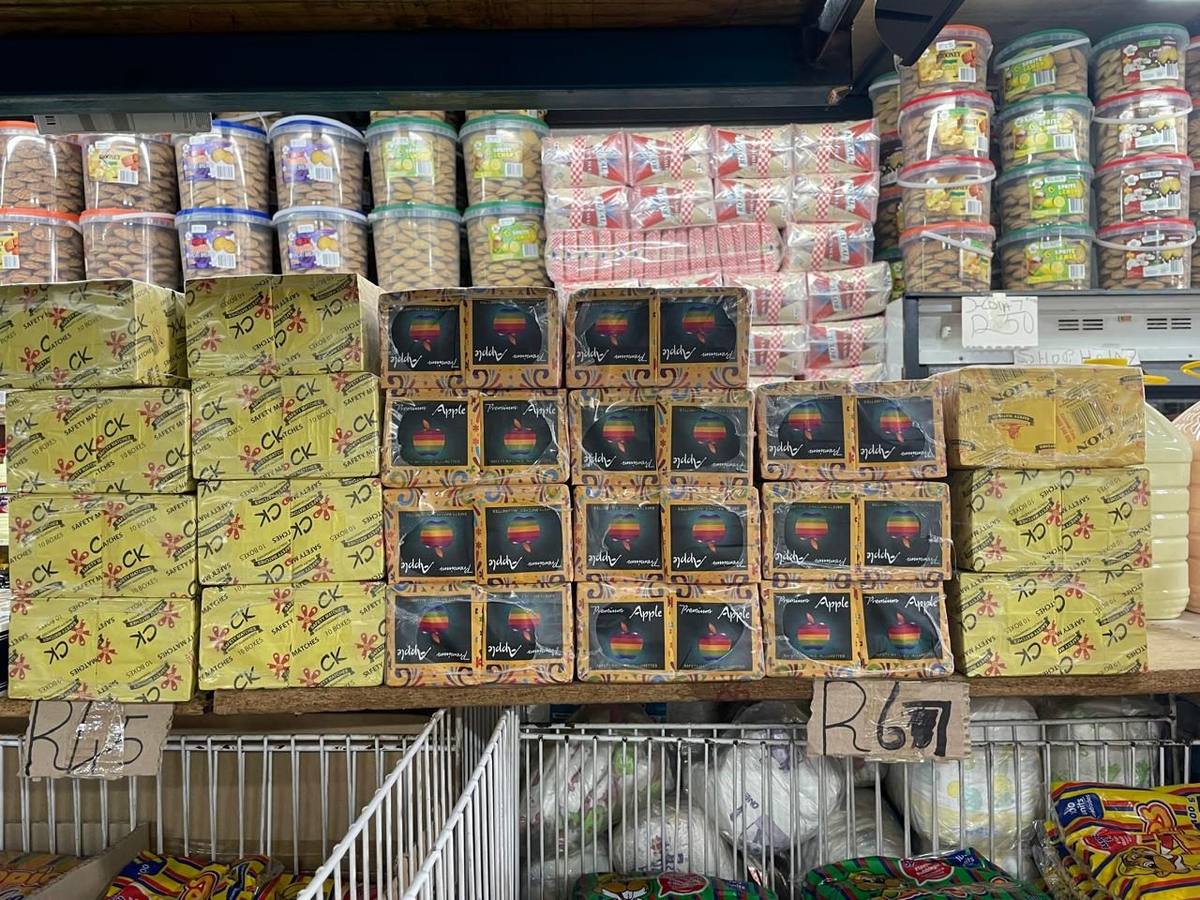
Retailers prefer a clear ladder: one pocket, one household and one kitchen size, each with a clearly different stick count and price. Too many similar sizes confuse shoppers and slow down stock turns.
Find the right box for your price point
Send us your target retail price and market. We will suggest box sizes, stick counts and a packing plan.