MOQ, payment terms and Incoterms for match imports
Minimum orders, letters of credit and FOB vs CIF, explained for importers of safety matches.
Once the sample is approved, three commercial questions decide whether the first order happens: how much you have to buy, how you pay, and who is responsible for the goods at each point of the journey. Getting these clear early avoids the most common misunderstandings between importers and exporters.
MOQ is usually set per design and box size, and often equals a container or a share of one. Payment is commonly an advance with the balance against documents, or a letter of credit. Incoterms 2020 define who pays and who carries the risk: FOB and CIF are the most used for matches, while FCA, CPT and CIP fit container shipping more precisely.
Minimum order quantity
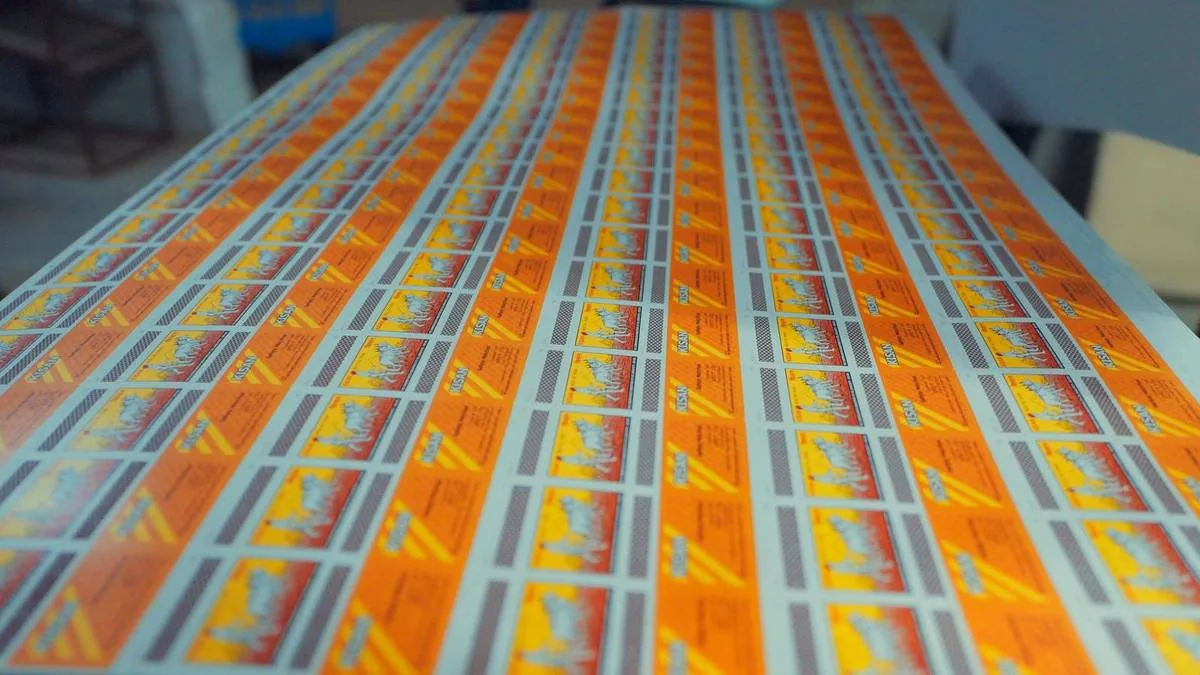
A match factory sets up a production run for each box design, printing plates for each artwork and a packing line for each format. That is why minimums are usually set per design and size rather than per order.
- Supplier's own brands often have the lowest minimum, because the boxes are already printed.
- Private label needs enough volume per design to cover plates and setup.
- Mixed containers let you combine several sizes or types, as long as each line meets its own minimum.
Ask for the minimum per design, and how many designs can share one container.
Payment terms
| Method | How it works | Suits |
|---|---|---|
| Advance + balance | A deposit with the order, the balance before the documents are released | Established relationships |
| Letter of credit | Your bank pays once the exporter presents compliant documents, usually under the ICC's UCP 600 rules | New relationships, large orders |
| Documents against payment | The bank releases the shipping documents only when you pay | Trusted buyers with some history |
With a letter of credit, accuracy matters. Small differences between the credit and the documents, such as a spelling or a date, can delay payment and release of the cargo. Agree the wording with your supplier before you open the credit.1
Incoterms for match shipments
Incoterms 2020 are the International Chamber of Commerce's rules for who does what in a sale: who pays for carriage, insurance and clearance, and where the risk passes from seller to buyer. Always write the term with a named place and the version, for example "CIF Lagos Incoterms 2020".2
- FOB (Free On Board): the exporter clears the goods for export and loads them on the vessel at the Indian port. You book and pay the sea freight and insurance.
- CFR (Cost and Freight): the exporter also pays the freight to your port, but the risk still passes once the goods are on board.
- CIF (Cost, Insurance and Freight): as CFR, with the exporter also buying cargo insurance for you.
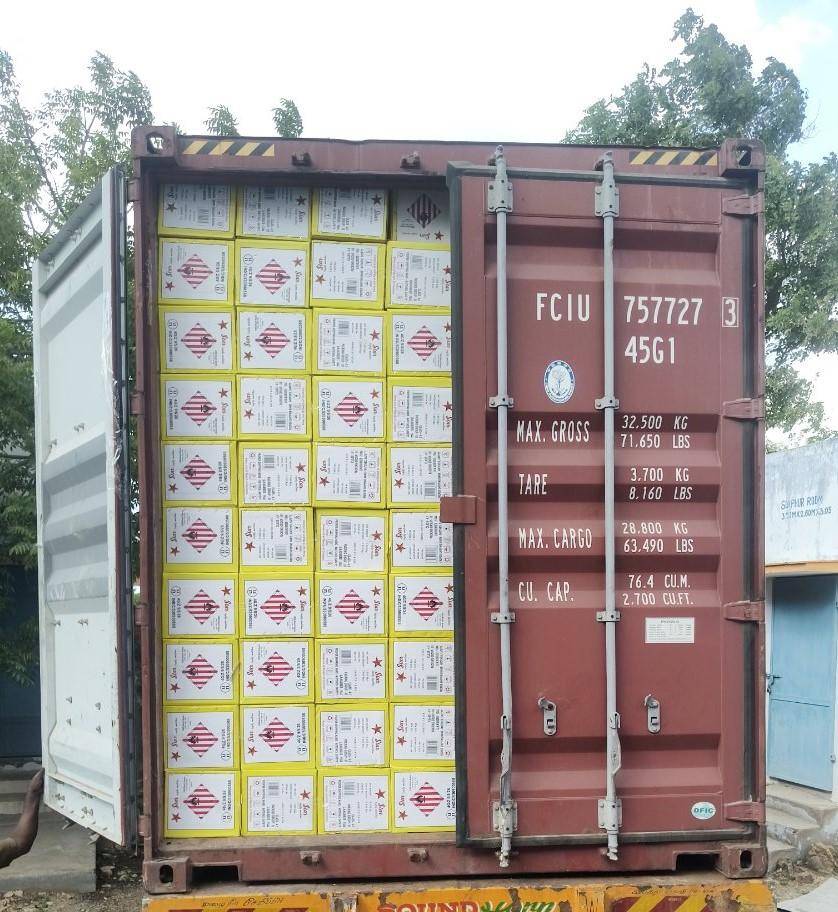
Strictly, FOB, CFR and CIF were written for goods loaded directly onto a ship. For containers handed over at a terminal, the ICC recommends FCA, CPT and CIP instead, which move the risk at the point of handover.3 In practice many match contracts still use FOB and CIF. Whichever you choose, make sure you and your supplier mean the same thing.
Which should you choose?
If you have a forwarder with good rates and dangerous goods experience on your route, FOB gives you control of the freight. If you are new to importing matches, CFR or CIF lets the exporter use their own carrier relationships for UN 1944 cargo, which is often simpler. Compare the total landed cost both ways.
Want a quote on your terms?
Tell us your port and preferred Incoterm. We will quote FOB and CIF side by side so you can compare.
- ICC Academy, Documentary credits: rules, guidelines and terminology (UCP 600).
- International Chamber of Commerce, Incoterms 2020 introduction.
- SeaRates, Incoterms 2020 reference; The Trade Hub, Incoterms 2020 glossary.