Keeping matches dry in humid climates: packing, shipping and storage
Most complaints from humid markets come from moisture after the factory. Here is how to prevent them.
Moisture is the quiet enemy of a match. A box that strikes perfectly on the day it is packed can disappoint a consumer three months later in a coastal warehouse. Most "bad match" complaints from humid markets trace back to how the matches were packed, shipped and stored, not to how they were made.
Ask for matches made at the right moisture level and packed in shrink or paper wrap. Protect the container on long, humid voyages. Store cartons off the floor, away from walls and out of direct sun, and sell oldest stock first. For very humid markets, consider wax matches.
Why humidity hurts matches
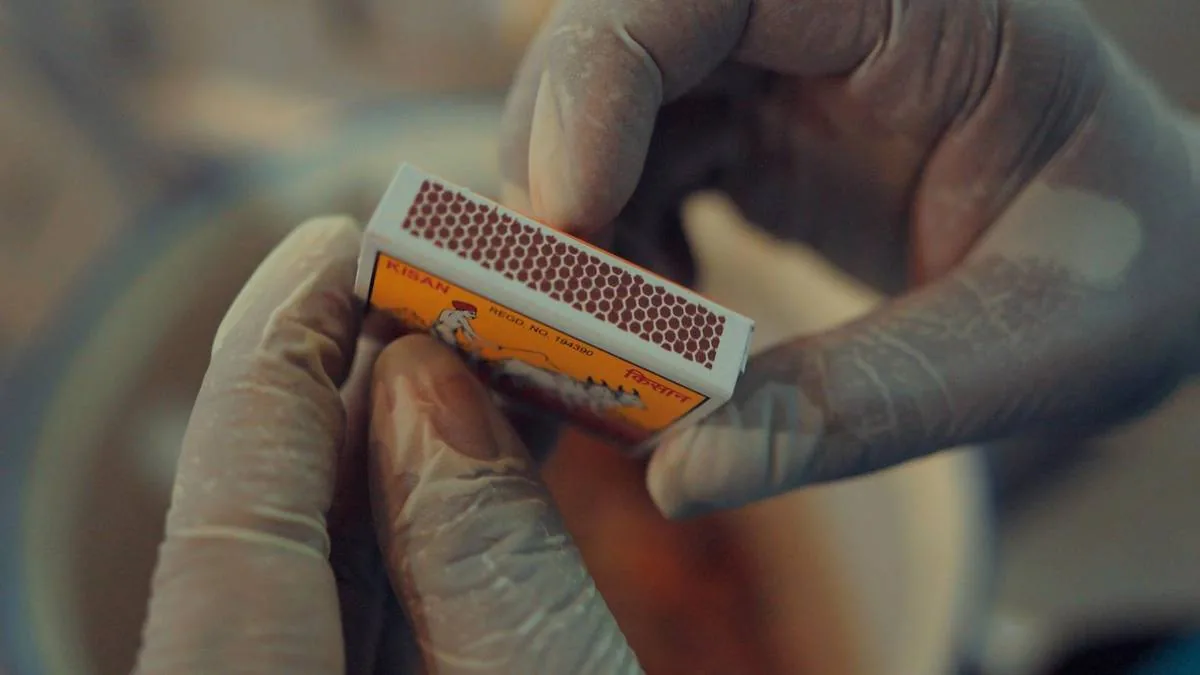
A safety match depends on two dry surfaces meeting: the head and the striker. The head is a compressed mix of an oxidiser, sulphur, binders and fillers, and the striker carries red phosphorus and powdered glass.1 When either absorbs moisture, friction produces less heat, so the match needs several strikes, the head crumbles or the flame dies. Wooden splints can also take up moisture and burn unevenly. Match chemists have long designed head mixes with humid conditions in mind.2
At the factory
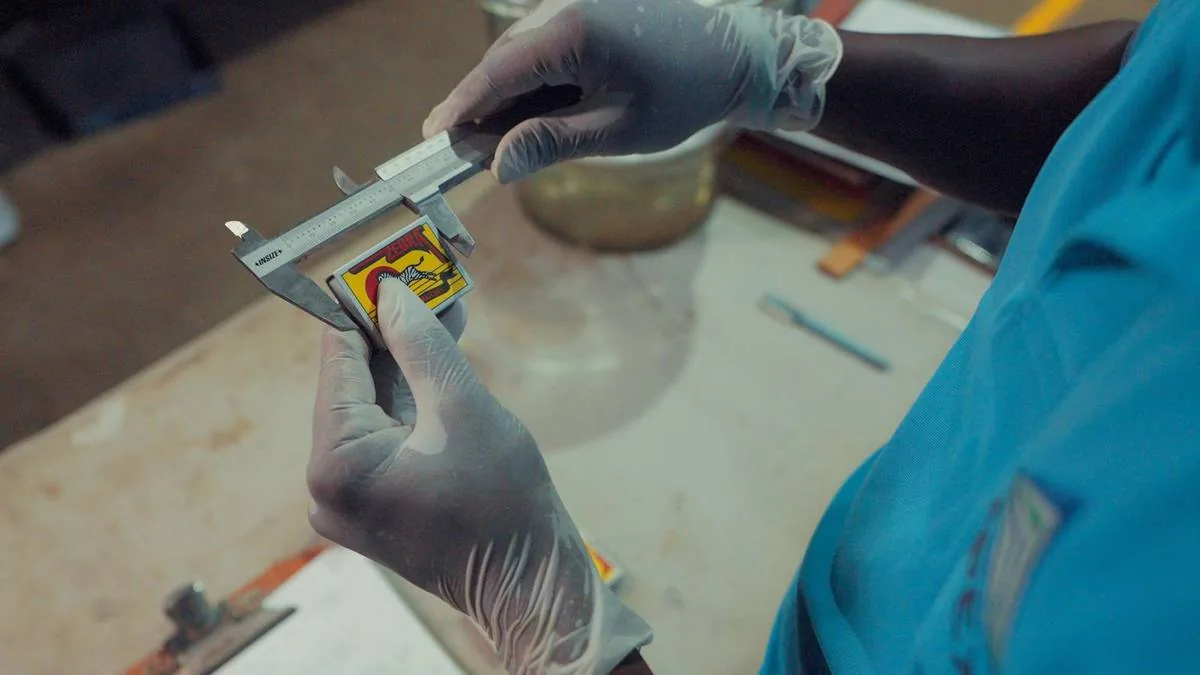
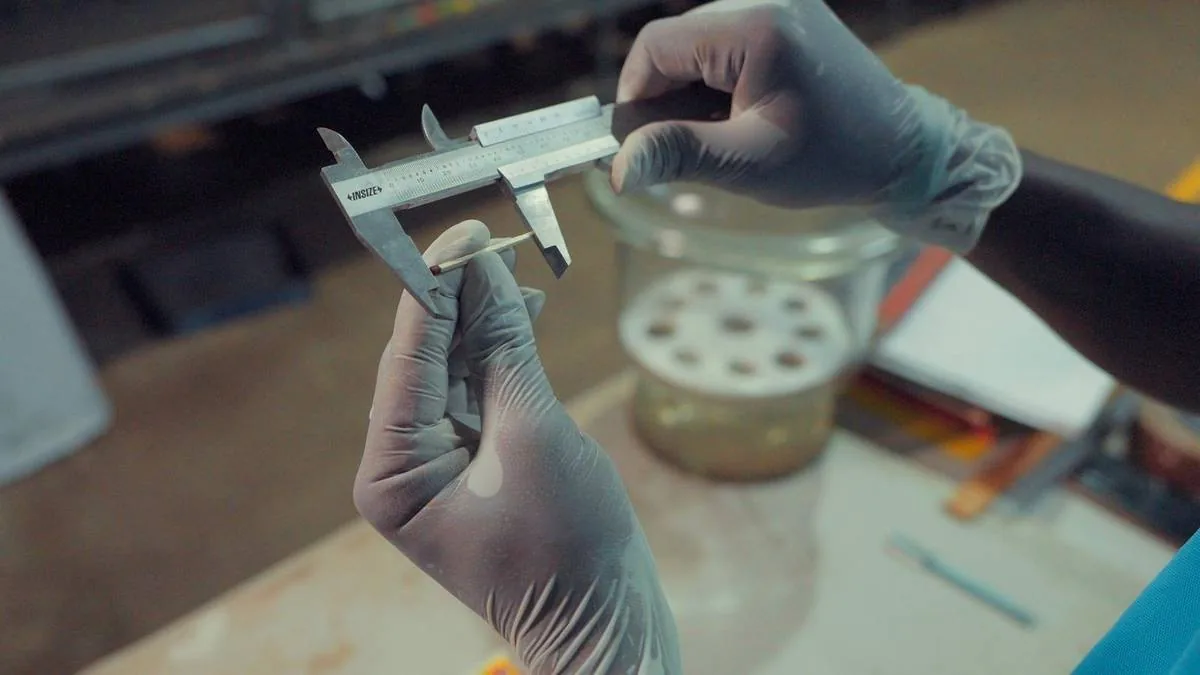
- Dry the splints and heads properly. Ask your supplier how they control drying and what moisture checks they run before packing.
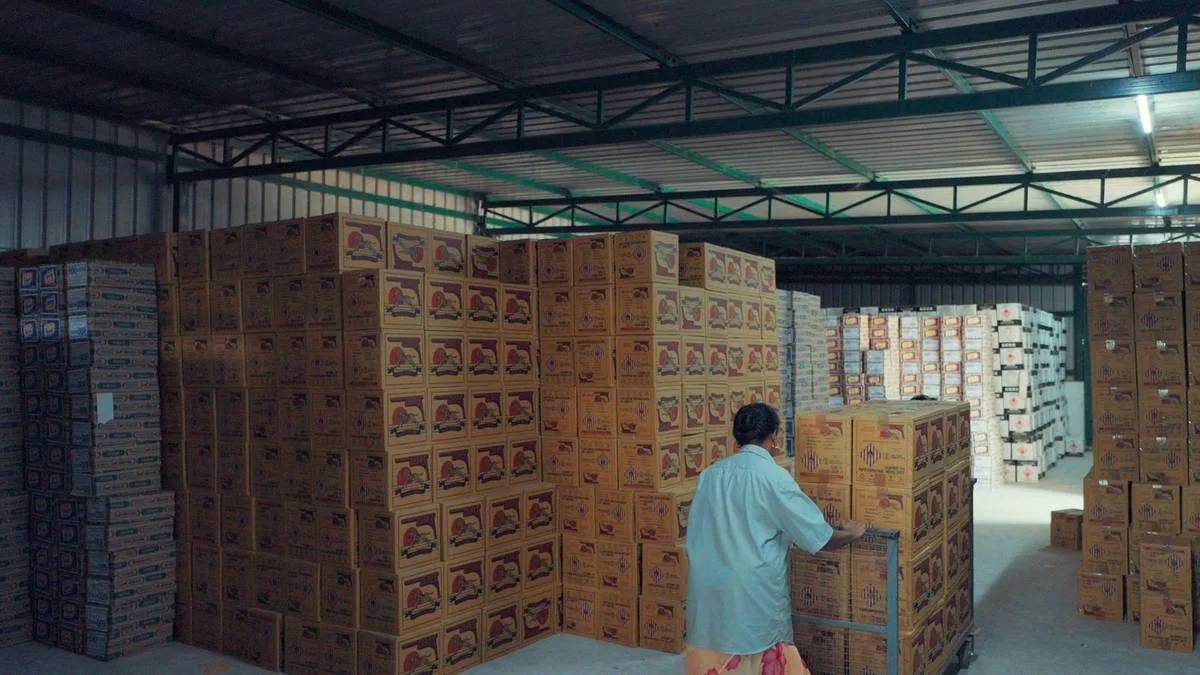
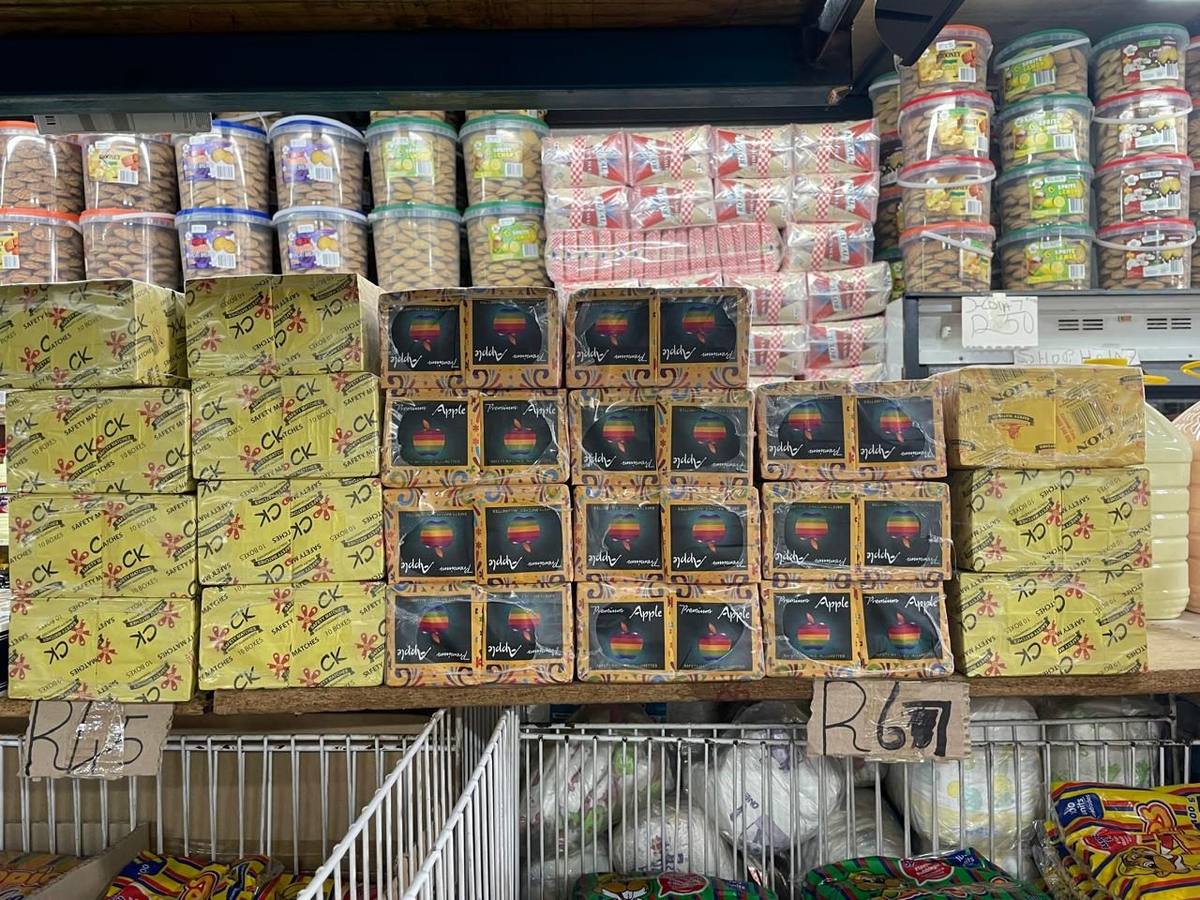
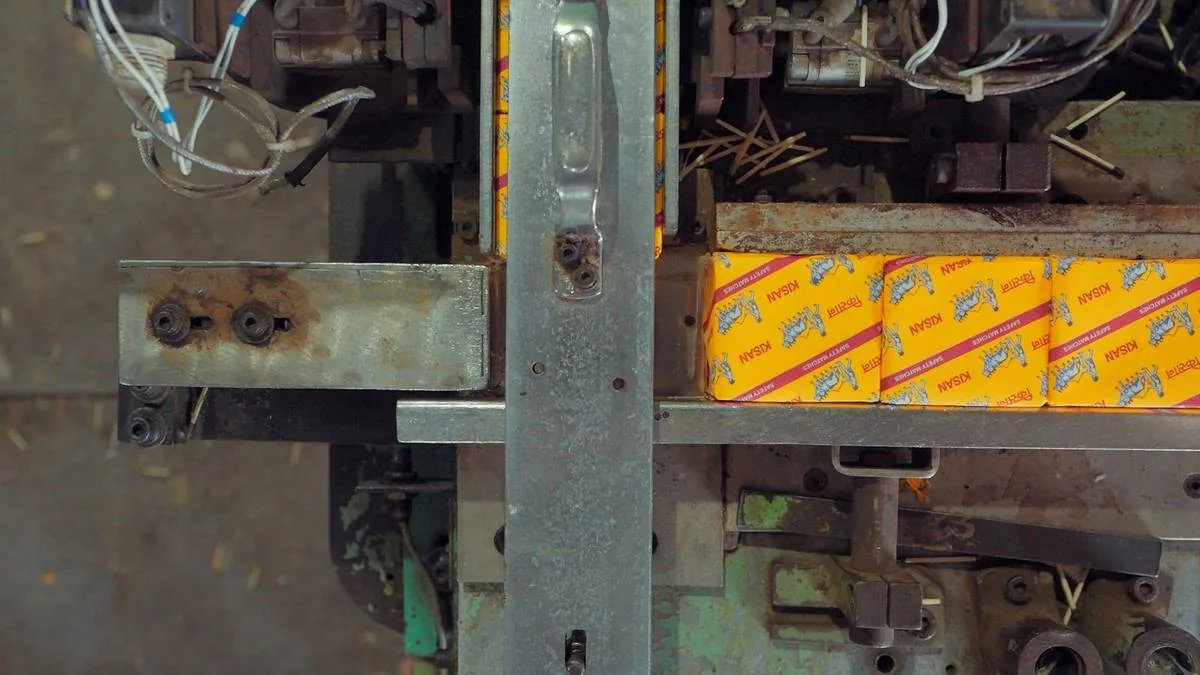
- Choose the right wrap. Shrink-wrapped or paper-wrapped packs of 10 or 12 boxes slow moisture far better than loose boxes in a carton.
- Use strong cartons that will not soften in damp air, with the opening sealed.
During shipping
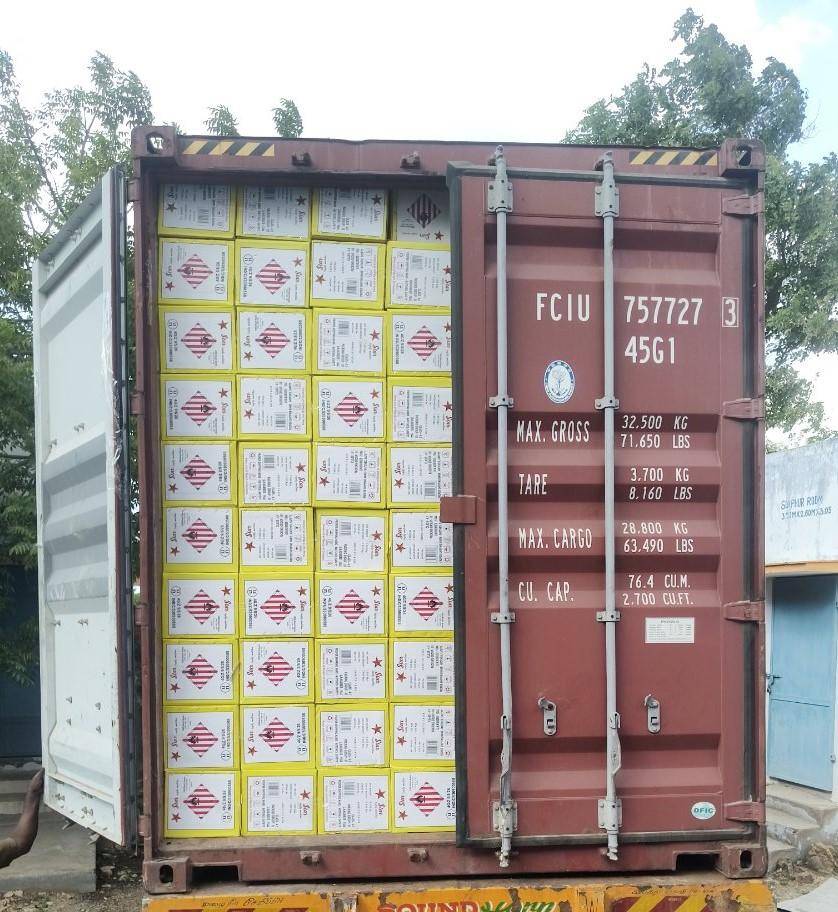
Containers crossing the equator heat up by day and cool at night. Warm, moist air condenses on the cold steel roof and drips onto the cargo, a problem known as container rain.3 On long or humid routes, ask your exporter about desiccant bags or strips, a container liner, and loading only dry cartons from a dry warehouse. Unload promptly at destination rather than leaving the container standing in the sun.
In your warehouse
- Store cartons on pallets, at least a hand's width off the floor and away from outside walls.
- Keep them out of direct sun and away from roof leaks, and allow air to move between stacks.
- Sell first in, first out. Mark the arrival date on each pallet and move older stock first.
- Do not break the shrink wrap until the pack goes to the retailer.
Consider wax matches
In very humid or coastal markets, wax matches are often the better choice. Their waxed stem is less affected by moisture and holds the flame longer. Our comparison of wooden, wax and kitchen matches explains the trade-offs.
Selling in a humid market?
Tell us your climate and storage conditions. We will recommend the right match, wrap and shipping protection.
- University of Bristol School of Chemistry, The chemistry of matches.
- Canadian Patents Database, match head composition, patent 2057195.
- Transport Informations Service (GDV), Container climate and condensation.