How to choose the right safety match supplier
Six checks that separate a dependable manufacturer from one that only sends good samples.

Ask importers what went wrong with a past supplier and you hear the same story: the sample was excellent, the shipment was not. Choosing a safety match supplier is really about one question. Can this factory make the approved sample again, at your volume, every month?
Buy from the manufacturer, not a middleman. Check their monthly capacity against your volume, ask how quality is recorded batch by batch, and confirm they ship matches as dangerous goods every week. Then test the first container against your approved sample before you scale.
Why the choice matters more for matches
A safety match looks simple, but it is a chemical product built from wood, a head composition and a striking surface that have to work together. Small changes in the wood's moisture, the head mix or the drying conditions change how the match strikes and burns. Your consumer notices on the first box: a head that crumbles, a match that needs three strikes, a striker that wears out halfway through the box.
India is one of the world's major match producing countries, and most of its industry sits in one cluster of southern Tamil Nadu around Kovilpatti, Sivakasi and Sattur, with several hundred units across those towns.1 That gives buyers a lot of choice, and a lot of variation in how those units are run.
1. Confirm you are talking to the manufacturer
Many export offers come from trading houses that buy from several small units and consolidate. That can work for a one-off order, but it breaks the link between you and the people who control the recipe. When a problem appears, a trader can only pass on the complaint.
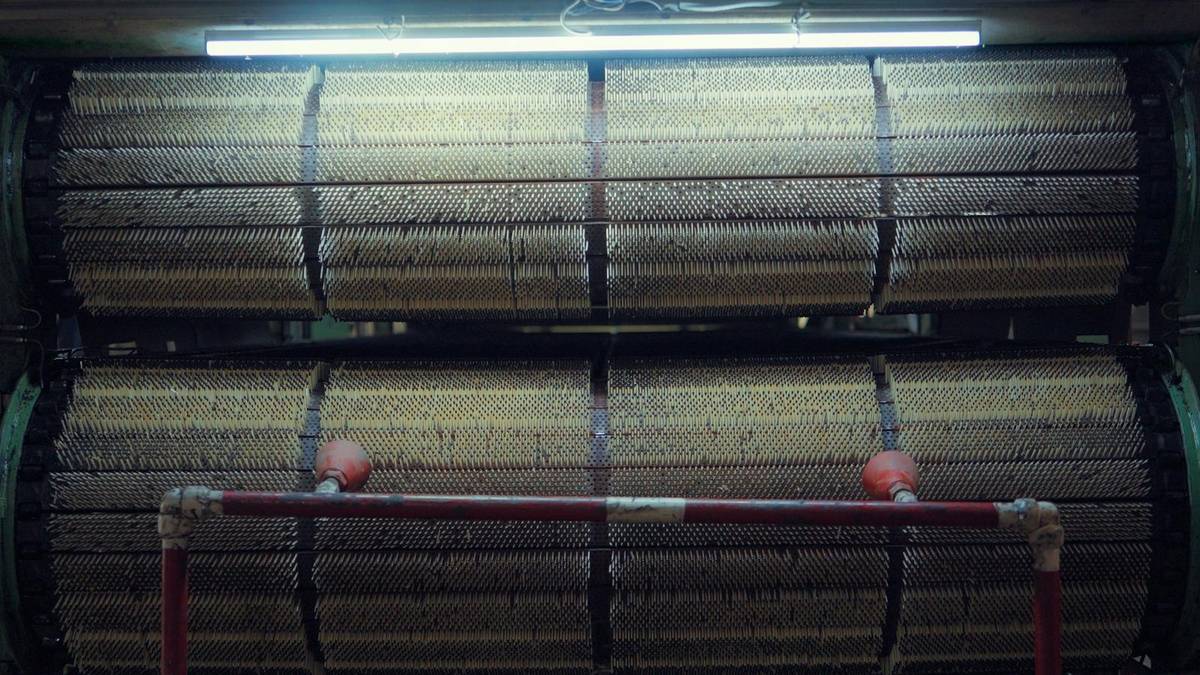
Ask for the factory address, the manufacturing licence and the exporter registration, and check that the names match. A short video call walking the production floor tells you more than any brochure.
2. Match their capacity to your volume
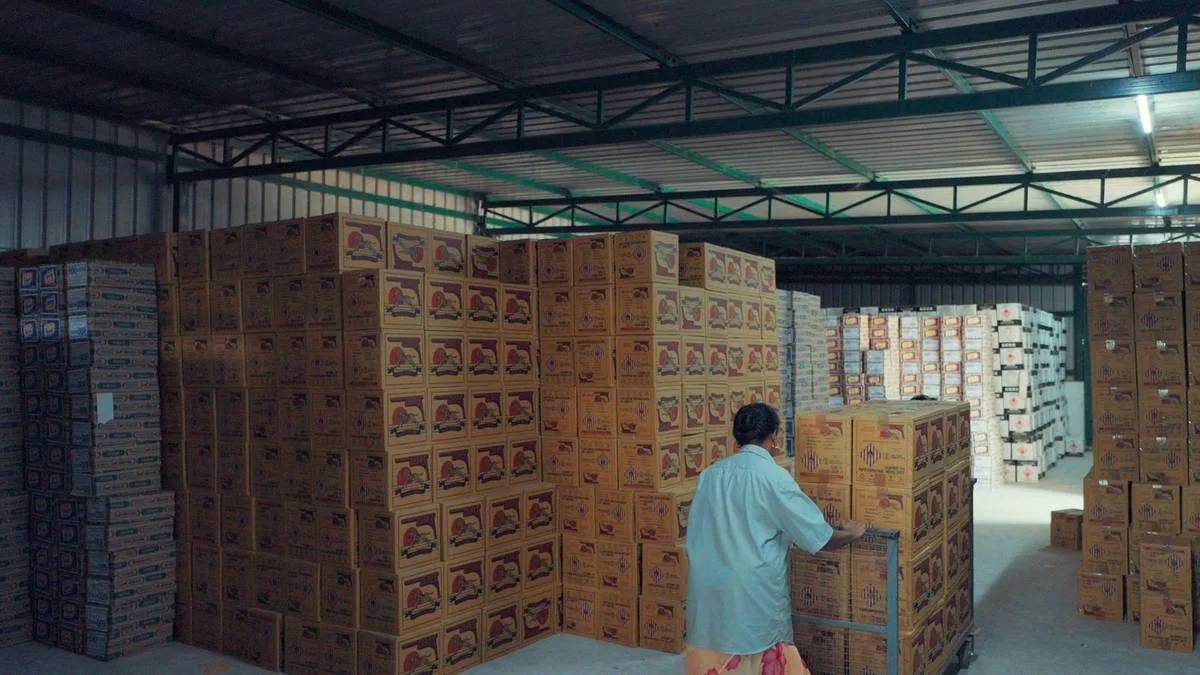
Ask how many boxes or cartons the factory produces per month, and how much of that is already committed to other buyers. A supplier running at full capacity will struggle to absorb your peak season order without cutting drying time, which is exactly when quality slips.
A useful rule: your monthly requirement should be a comfortable share of their output, not most of it.
3. Ask how quality is recorded, not just promised
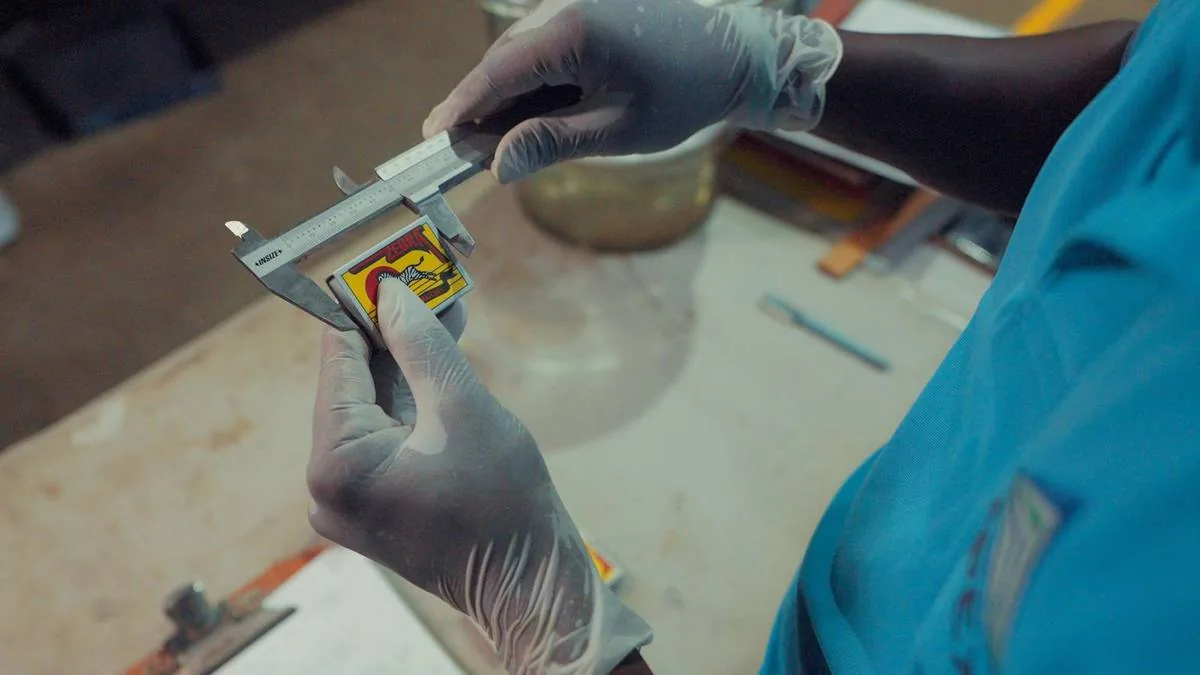
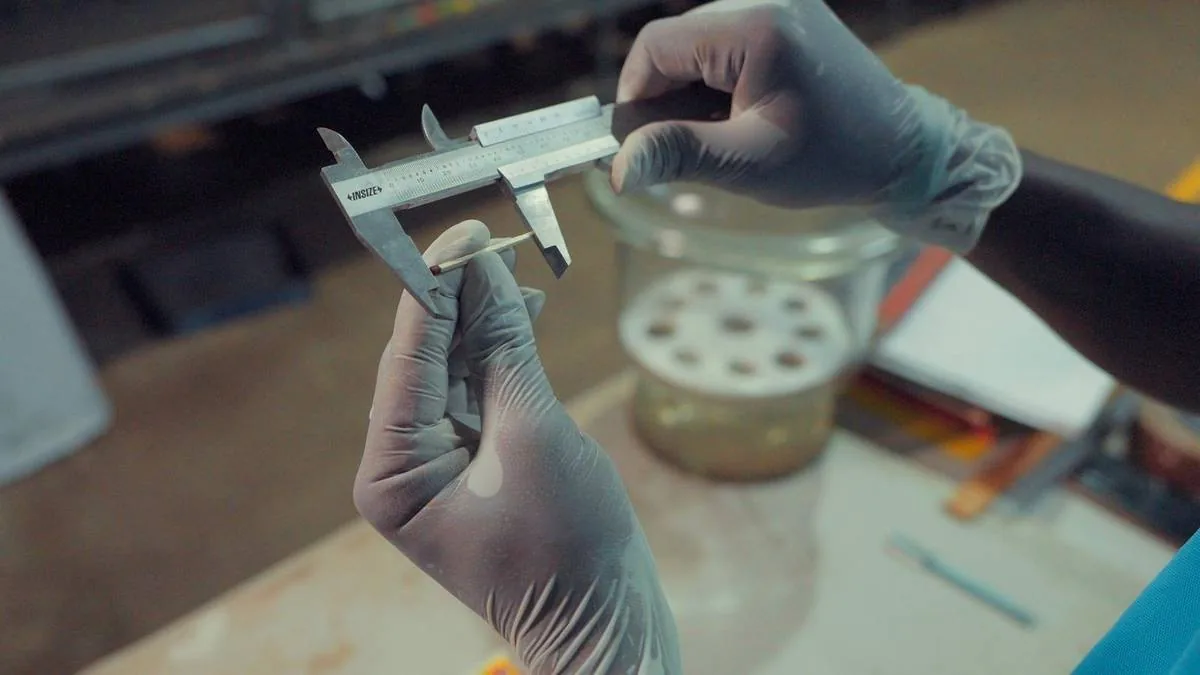
Every supplier says they check quality. Ask to see what is written down: incoming wood and chemical checks, the head composition batch record, drying conditions, and the final inspection report for a recent shipment. A certified quality management system such as ISO 9001 is a good sign because it means these records are audited, but the records themselves are what protect you.
Also ask which product standard they test against. In India that is IS 2653 for safety matches, which covers striking performance, ignition behaviour under heat and impact, the striking surface and damp proofness.2 Buyers in Europe often reference EN 1783.3 See our guide to the quality parameters that matter.
4. Check they ship matches as dangerous goods routinely
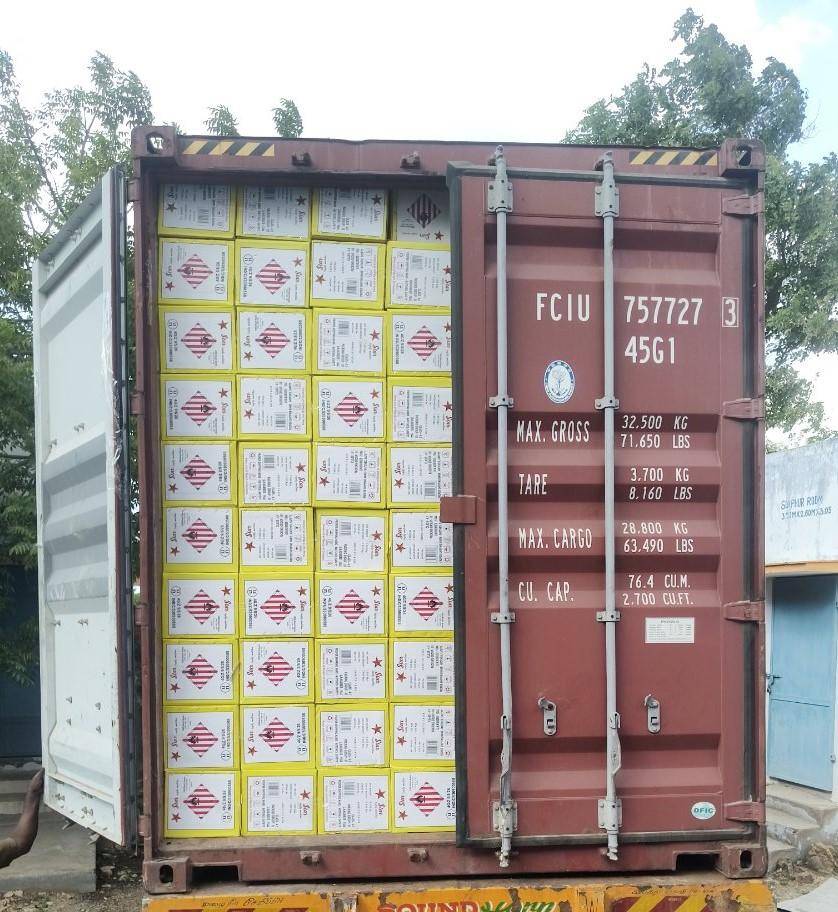
Safety matches travel as dangerous goods: UN 1944, Class 4.1 flammable solid.4 That means correct packaging marks, a dangerous goods declaration, and a shipping line that accepts the cargo on that vessel. A factory that exports every week has these routines in place. A new exporter can lose weeks on paperwork alone.
5. Look for experience with your market
A match that sells in a dry climate may fail in a humid coastal market if the heads and striker are not built for it. Ask which countries they already ship to, and whether they can adapt stick count, box size, head colour, wax treatment and labelling language to your shelf and price point. Ask for a reference buyer in a market similar to yours.
6. Prove sample equals shipment on the first order
Keep a sealed set of the approved sample. When the first container arrives, test boxes from several cartons against it: strike, burn, head strength, stick count and box finish. If you use a pre-shipment inspection agency, give them the approved sample as the reference. Only scale up once the first shipment matches.
A quick checklist for supplier calls
| Ask | A good answer sounds like |
|---|---|
| Who makes the matches? | "Our own factory." Address and licence match the exporter name. |
| Monthly capacity? | A specific number, and how much is free for your order. |
| Quality records? | Batch records and a recent inspection report you can see. |
| Standard tested to? | IS 2653 or your market's standard, with test results. |
| Dangerous goods shipping? | Regular UN 1944 shipments, carrier relationships in place. |
| Similar markets? | Named countries and a reference buyer. |
Why we wrote this
Apex began after our founders heard the same complaint in African markets in 1999: good samples, different shipments. Everything we have built since 2005, from our quality gates to our export routines across 40+ countries, exists to answer that one question for our buyers.
Run these six checks on Apex
Ask for our factory walkthrough, quality records and a reference buyer in your region.
- Assam Tribune, Safety matches makers decide to resize, reprice box price (industry concentration in Kovilpatti, Sivakasi and Sattur).
- Bureau of Indian Standards, IS 2653:2004 Safety Matches, summary.
- CEN, EN 1783:1997 Matches: performance requirements, safety and classification.
- UN Model Regulations dangerous goods list, UN 1944 Matches, safety, Class 4.1, packing group III (ADR listing).